



Men’s health matters: Why talking to a provider can change everything
Sponsored by Untamed Health
When it comes to health, a lot of men quietly settle. Tired all the time? “Must be work.” Gaining weight? “That’s just what happens after 30.” No energy or motivation? “I’m just getting older.”
At Untamed Health, owner and family nurse practitioner Matthew Naquin and his wife, Jesse Naquin, RN, MSN, CRNA, meet men every day who have accepted feeling terrible for years.
“My goal isn’t for people to rip their shirt off and look like superheroes,” Matthew says. “My goal is for them to wake up and feel good … and still feel good at lunch and after work when their kids want to play.”
Rethinking what “healthy” looks like
Matthew’s own story shapes how he cares for his patients. As a kid, he was thin until puberty, then became the “short, chunky” one. In college, his weight climbed to about 205 pounds. He decided to change, started running every day, cleaned up his diet and dropped nearly 40 pounds.
He was smaller, but not truly healthy. He hadn’t built muscle, his metabolism was sluggish and he still didn’t feel confident in his body.
After meeting Jesse – a hardcore triathlete – the couple dove into endurance sports: 5Ks, half marathons, full marathons, even full-distance Ironman races that kept them on the course for up to 16 hours.
On the outside, it looked like peak fitness. But inside, Matthew’s:
- Metabolism was “garbage”
- Stress hormones were high
- Weight and body composition didn’t match the effort
“We thought we were fit because we could exercise for 16 hours,” he says. “But when you looked at our labs and how we actually felt, the picture was completely different.”
For Matthew, it was a wake-up call: endurance alone doesn’t equal health.

The hidden role of hormones
One of the most overlooked parts of men’s health is hormone balance, especially testosterone.
Modern lifestyles, including processed food, long hours sitting, poor sleep and constant stress, have pushed testosterone levels lower at younger ages.
Symptoms of low testosterone can include:
- Constant fatigue
- Increased belly fat and decreased muscle
- Slowed metabolism and weight gain
- Low libido or sexual changes
- Irritability, brain fog or low motivation
Testosterone therapy carries a lot of stigma, but Matthew notes most horror stories come from old-fashioned, high-dose injections given every few weeks. Those created extreme peaks and crashes in hormone levels.
Today, when testosterone therapy is appropriate, smaller, more frequent doses can support steadier levels. For the right patient, that can mean more energy, better body composition and clearer thinking.
Jesse also emphasizes another powerful tool: GLP-1–based medications, such as semaglutide or tirzepatide, when medically indicated. These work on hormones that help calm inflammation, stabilize blood sugar and support metabolism, especially when paired with nutrition changes and strength training.
Making the conversation easier
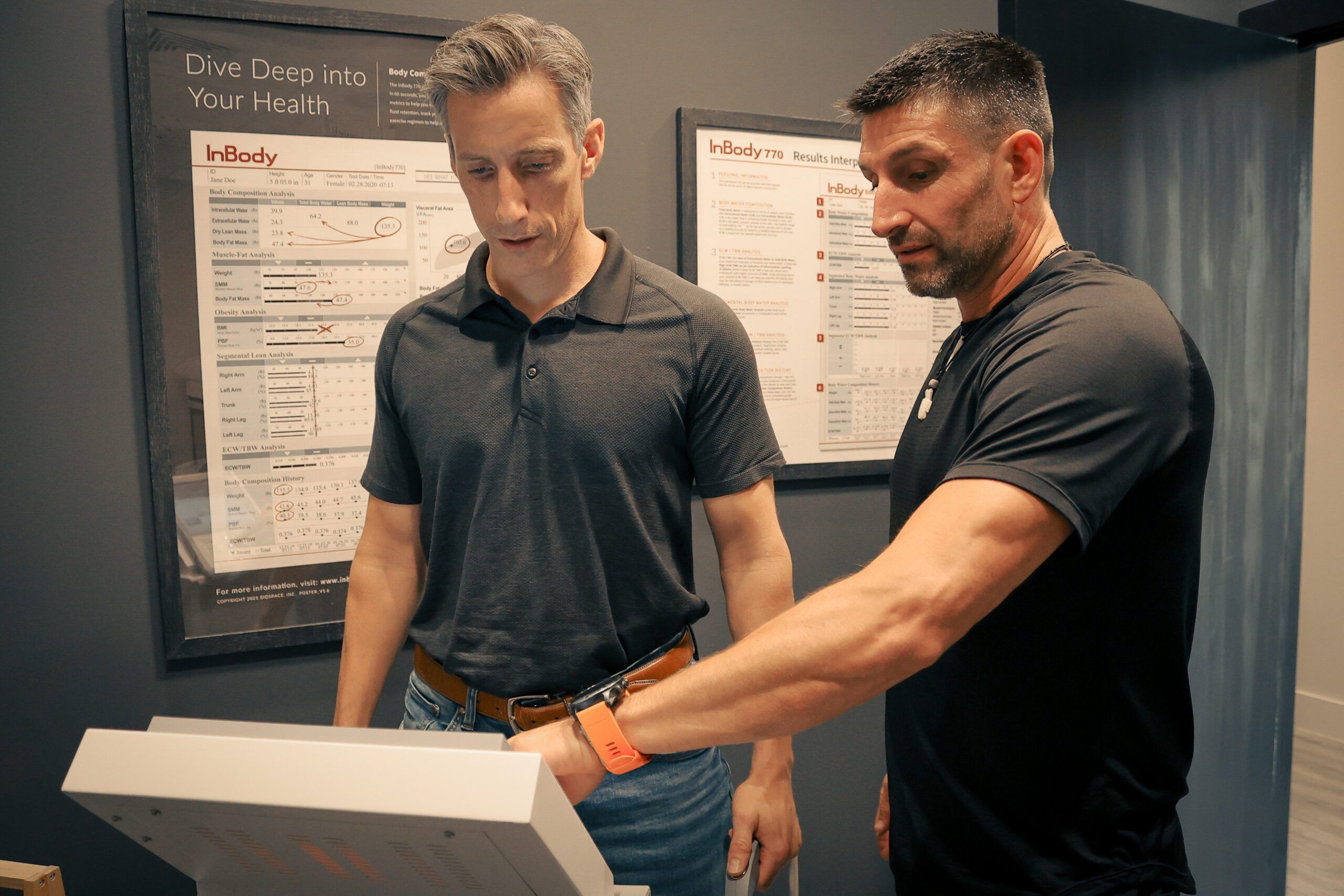
Matthew works hard to remove the fear factor from men’s first visits. He uses questionnaires and lab work to guide his steps. The questionnaires allow men to answer sensitive questions privately and honestly before they ever sit down face-to-face.
“Admitting you have a problem is 90% of the battle. The rest is very treatable and manageable,” Matthew says. “You don’t have to accept exhaustion, weight gain or low energy as your new normal. With the right support, feeling good again is absolutely on the table.”
Connect with Untamed Health online by visiting https://www.untamed.health/.