


What high blood pressure is doing to the cardiovascular system … silently
Sponsored by 
This Women’s Health Month, it’s important to highlight one of the most common—and often undetected—threats to women’s cardiovascular health: hypertension.
Hypertension, or high blood pressure, is one of the leading risk factors for heart disease in women. Many assume they would feel it if they had high blood pressure, but most of the time they don’t. It often causes no symptoms at all, earning it the nickname “the silent killer.”
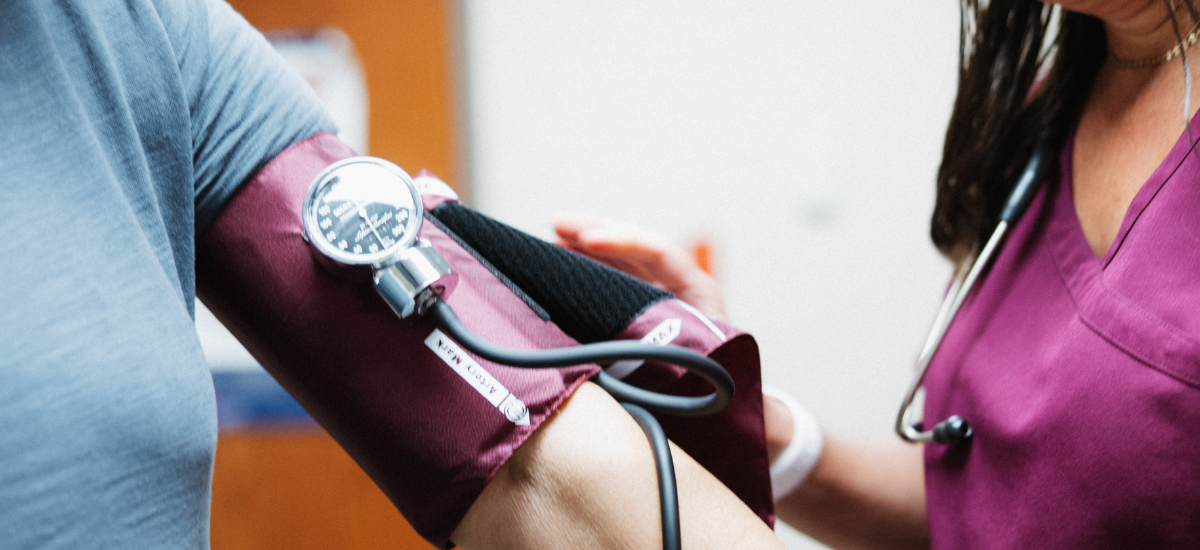
Blood pressure is the force of blood pushing against the walls of your arteries as it circulates through your heart and blood vessels. When it becomes too high, it can damage the arteries, brain, kidneys, and eyes, and it increases the risk of heart attack and stroke. This risk can also increase in women over time, especially after menopause.
Blood pressure is considered high when readings are 130/80 mm Hg or higher. High blood pressure often has no symptoms, but when they do occur, they may include headaches, dizziness, vision changes, chest discomfort, or heart palpitations.
Knowing your numbers and staying consistent with screenings is one of the most important steps in prevention. Learn more about hypertension or schedule an appointment here.