


Take a look at shaded gardens in a new light
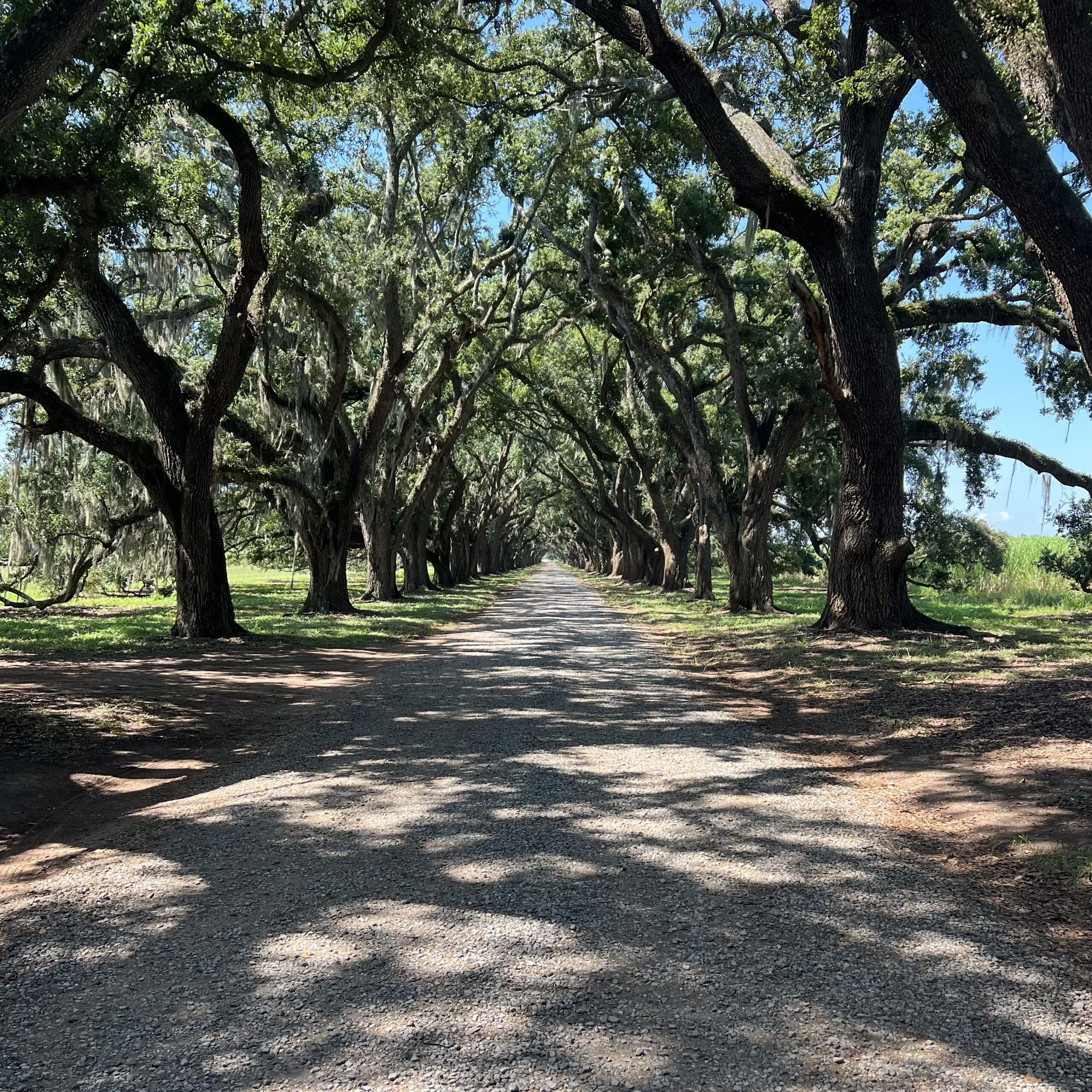
One of the most common questions I receive as a horticultural consultant is, “What should I grow in the shady part of my yard?” Sometimes, shade tends to get a bad rap, whether it’s because of a poor plant choice or not understanding all the conditions that are associated with shade. However, I find working with it far more satisfying than fighting for full sun in every corner. We have many large tree species growing here, such as live oaks and magnolias, creating plenty of shady spots that can become some of the most entertaining areas in the yard if approached correctly.
There are different types or levels of shade to consider before planting. Dappled shade, where sunlight filters through tree canopies, gives enough light for stronger growth while protecting against our intense afternoon sun. Partial shade might offer a few hours of direct morning light, which many plants love here. Deeper shade provides very little direct sun. Therefore, focusing more on foliage interest than heavy blooming is a wise choice. Understanding what kind of shade you have dictates your success. Shady areas can stay moist longer than full sun areas. If you have heavy clay soil with our frequent rains, I would suggest focusing on drainage before doing any planting.

Once you know your light, plant choice becomes straightforward. For vibrant color, caladiums bring bold red, pink and white foliage that holds up well through our long summers. Shade coleus adds striking leaf patterns without much fuss, while impatiens and begonias deliver reliable blooms in dappled or partial shade. Ferns of various types create soft texture, and hostas form nice clumps of foliage that appreciate consistent moisture. For more structure, hydrangeas can add flowers if you pick varieties suited to partial shade, and tough natives like oakleaf hydrangea or sweet shrub handle our conditions beautifully while supporting local wildlife. Aspidistra, often called cast iron plant, and liriope make excellent ground covers that spread steadily and need little babying. These choices turn problem areas into spots you actually want to spend time in.
Of course, shade gardening can go wrong if you overlook a few things. Overwatering is a common issue in our rainy climate, as shady soil stays damp, so it is easy to drown roots and invite fungal problems. Ignoring tree roots when digging or piling mulch too high against trunks can stress even the hardiest of shade trees. The fix is straightforward; match plants to your specific conditions, water only when needed and keep an eye out for pests like slugs on hostas after wet spells. A little planning avoids most headaches.
Shady spots in our yards can become some of the most attractive and low-maintenance parts of your landscape. You get a cooler retreat for summer evenings, interesting textures and colors that last, and that satisfying feeling of working with what you have instead of wishing for something different.
As you plan your garden, allow the possibility of a lush, inviting shady area to inspire you. Whether you are entertaining friends or simply enjoying quiet time outside, these spaces add a personal, heartfelt touch to your home. Give shade a chance this season, and watch it take center stage in your yard.