



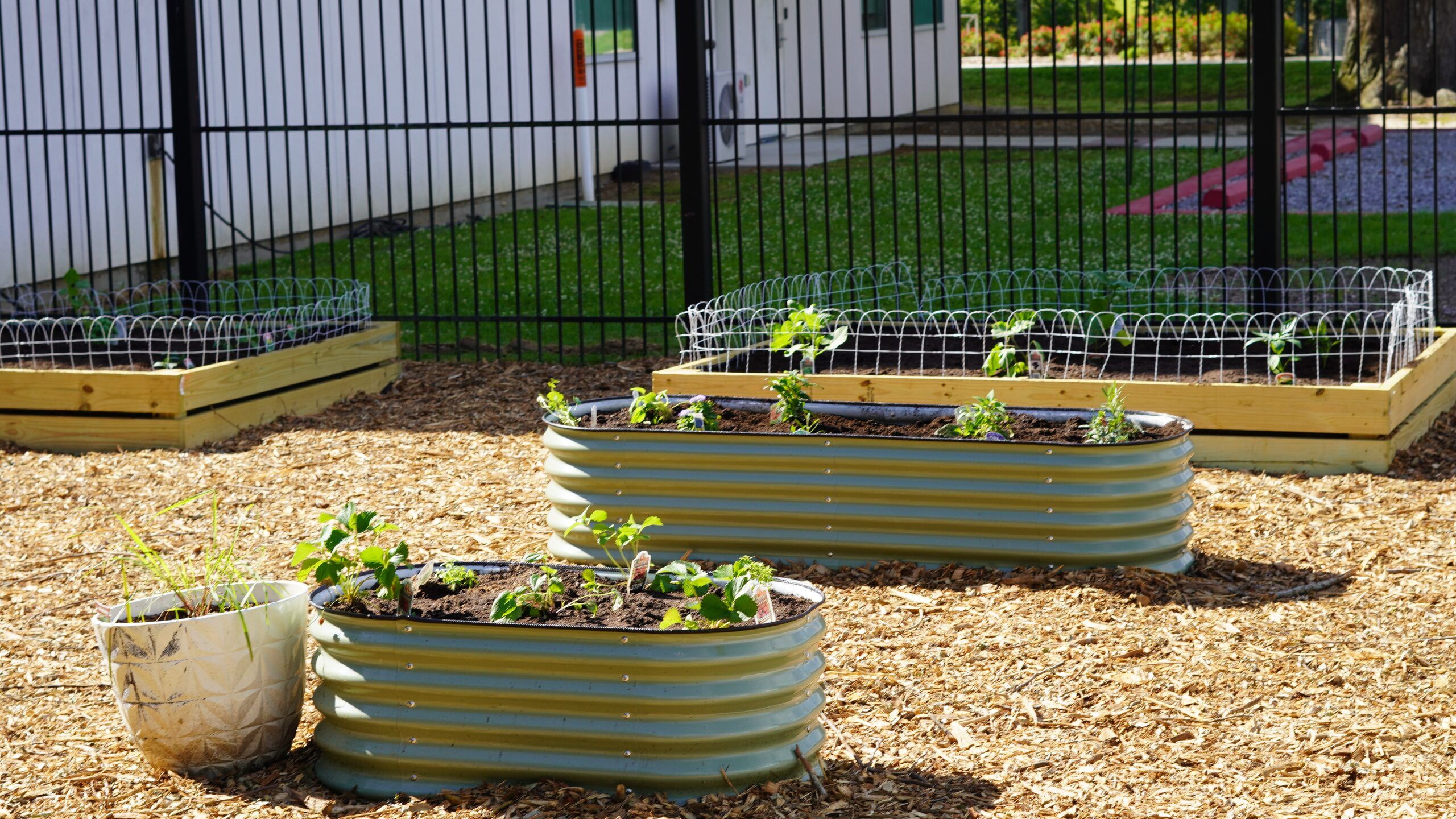
Raised garden beds are trending. Here’s what you need to know
Raised garden beds are becoming the envy of spring as pictures of bountiful creations circulate on social media. Insights from Theresa Fennell of Clegg’s Nursery, inRegister gardening columnist Lee Rouse of Rouse’s Horticulture and Beau Mutrie of Louisiana Nursery will help you get started on elevating your backyard or maintain the raised beds you already have.
Accessibility & Easy Management
All three professionals agree that elevated beds make gardening easier. From children to the elderly, the customizable height of these beds can eliminate the stress of bending down or reaching up for long periods. As seen in the letter from the editor, Riley Bienvenu Bourgeois, in our April issue, she used these raised beds to involve her children in the family’s harvesting.
Beau Mutrie says a little height makes the experience more enjoyable for everyday gardeners. “I especially prefer raised beds because I can make them to my waist height, which translates to fewer hours hunched over while enjoying my hobby,” she notes.
In addition, they are renter- and small-space-friendly. Rouse says they’re ideal for spots like a patio and even in grass. All agree that raised garden beds are recommended for beginners, and they can reduce the manual labor often required in gardening.
“I think it’s good for beginners to get some successes under their belt and see the way that a plant should grow,” says Rouse.
Why They Work
Theresa Fennell says raised garden beds create an optimal environment with healthier plants and more bountiful harvests. Mutrie agrees and explains that they’re convenient in a place like South Louisiana, where drainage issues are common. By controlling drainage and soil, they help gardeners spend less money and lay the groundwork for success.
“One large bed is easier to water, fertilize and treat for bugs and diseases,” says Mutrie.
Care & Upkeep
The gardening experts agree that investing in the garden early on is the key to success. Starting with high-quality soil and fertilizers is critical. Rouse also suggests setting up an irrigation system if possible.
“Spend your money upfront so you’re not spending your time on the backend,” Rouse says.
For daily care, consistency is key. Dedicating five minutes a day to the garden will make all the difference. Mutrie suggests using a moisture meter or your finger to gauge when the soil needs water. Fennell says adding mulch, such as pine straw, on top of the soil will also help control weeds and retain moisture.
Strategic Planting
Raised garden beds are ideal for some plants and not so much for others. Rouse notes that raised beds are great for companion planting with something like tomatoes and marigolds, which produce a natural chemical that repels insects. However, there are plants to avoid in a raised bed, such as muscadines, raspberries and blackberries.
Mutrie says many plants need additional support to grow properly, and it’s completely doable in a raised bed. For example, tomato cages, trellises, arbors, twine and even sticks from the yard can create a defined space for them to grow.
When it comes to raised garden beds, the core rules still apply. All plants need the basics of sunlight and water, but these pros are here to help your raised garden beds flourish.
For more gardening information, check out Clegg’s, Lee Rouse and Louisiana Nursery on social media.