


Glassroots is turning recycled glass into an environmental asset
South Louisiana is known for its ability to weather the many strong storms that roll through the area year after year. But the coastal wetlands that anchor the state and act as a natural protection against flooding are losing strength with each system that blows through.
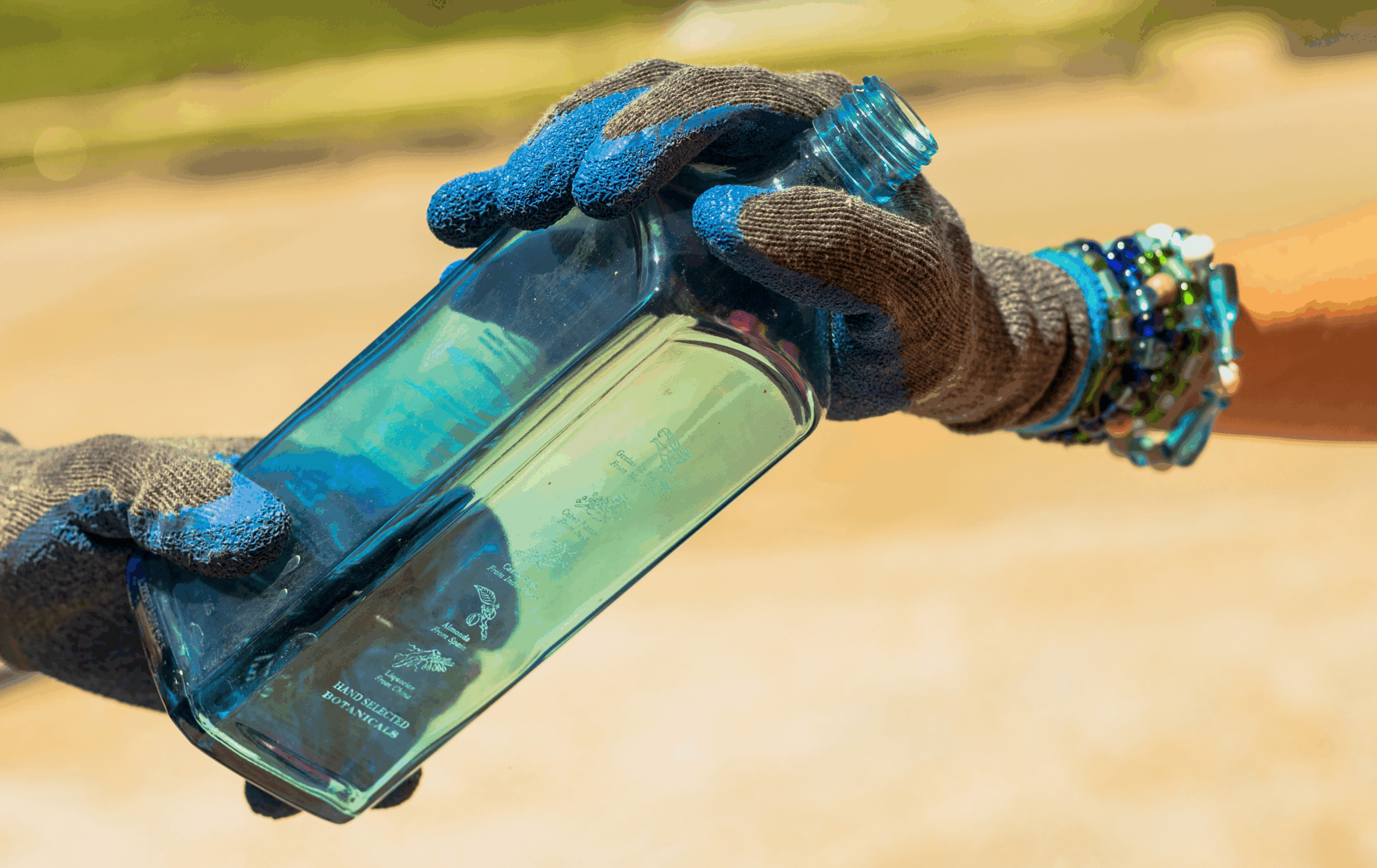
New Orleans-based nonprofit Glassroots is helping to maintain the integrity of the wetlands while simultaneously reducing waste in landfills. The group provides a free community resource for recycling glass that can then be turned into sand for local projects like coastal restoration, green infrastructure and disaster relief aid.
Glassroots began in 2021 as the nonprofit sector of Glass Half Full, a recycling company in New Orleans. Franziska Trautmann, CEO of Glass Half Full, founded the nonprofit sector with the goal of providing free glass recycling to more low-income parts of the city. But what started as a simple idea to get more glass out of landfills has grown into an inspiring environmental cause.
“When Glassroots became its own organization separate from Glass Half Full in 2024, we got our first program director and really began to create a unique identity and vision for the future of this nonprofit,” explains Mags Kassel, drop-off and volunteer manager. “Today, we focus on educating the public on recycling, expanding recycling drop-off locations and working on the green infrastructure programs.”
Through classroom visits, community events and partnerships with summer camps, Glassroots educates on the benefits of recycling by showcasing how the glass from the program is used in coastal restoration and infrastructure initiatives.
Mainly through the help of volunteer groups, Glassroots makes sandbags using recycled burlap and sand made from recycled glass. These bags are then deployed along the coast thanks to partnerships with many different organizations. Currently, the group is working to develop four islands near Glass Half Full’s new recycling facility, located in Chalmette.
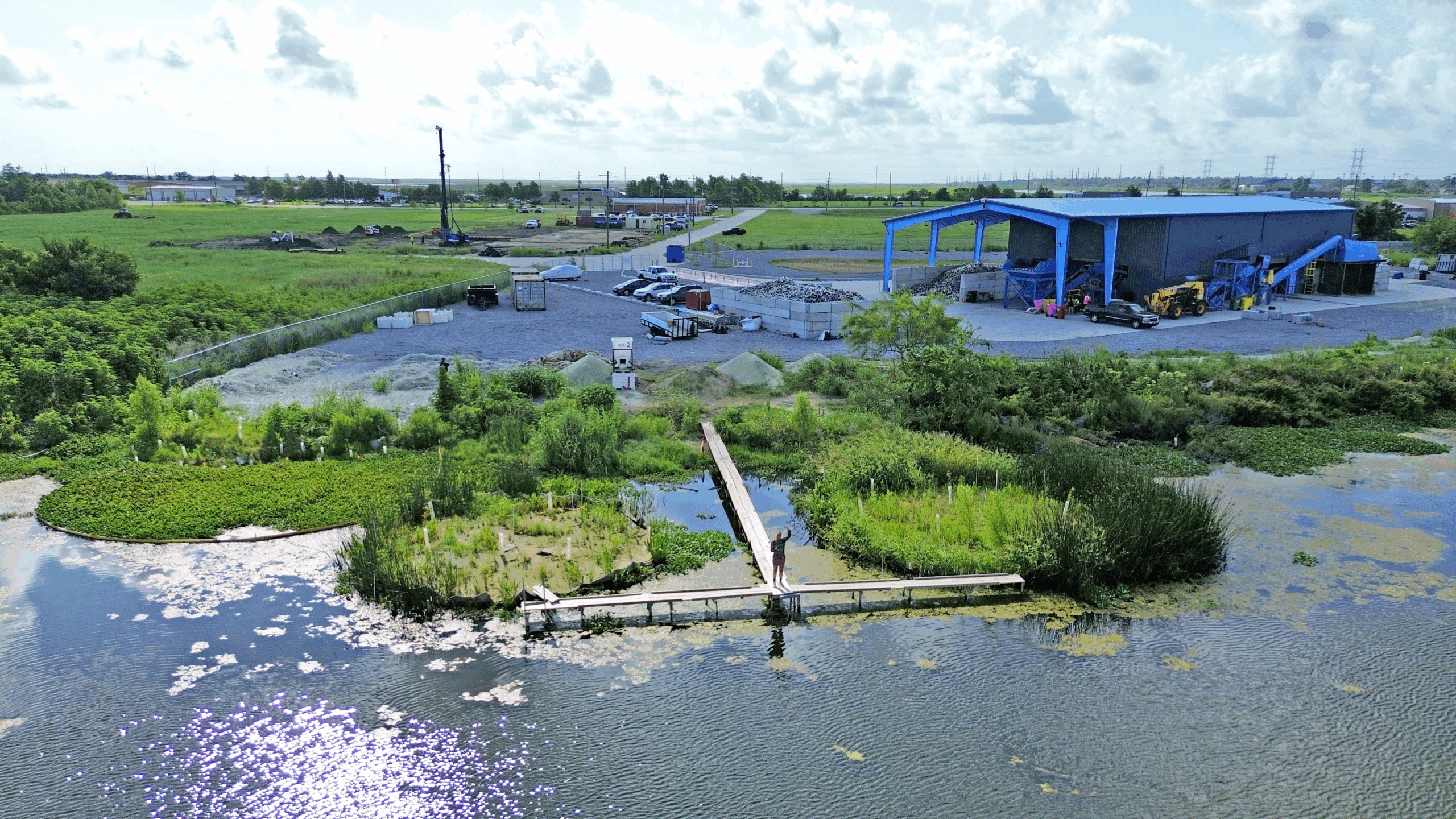
“These islands are made up of a combination of dredged material and our recycled sand,” Kassel says. “Not only are we building back land there, but we’re also doing research on the efficacy of recycled sand for growing plants. I’m really excited to build out our educational program, specifically around those islands.”
Along with coastal restoration, the group also donates sand for sandbags ahead of big storms and has started developing green infrastructure, like rain gardens, around the city. “The rain gardens are made with our gravel and native plants,” Kassel explains. “They have many benefits, like slowing down flooding and purifying the water that passes through them.”
Through a partnership with BREADA, the Baton Rouge community can also recycle with Glassroots. At the Red Stick Farmers Market on the second and fourth Saturdays of each month from 8 a.m. to noon, Glassroots has volunteers running a drop-off where people can bring in glass and have it transported back to the facility in New Orleans.
“We are really grateful for all the people who help us make it happen in Baton Rouge,” Kassel says. “It’s really cool to be able to work for an organization where we’re turning waste into an asset. It makes me feel hopeful for the future and glad that we are doing so much to help build back land and build resources for the community here.” weareglassroots.org