


How to bring the tropical flora of Costa Rica to a Baton Rouge backyard
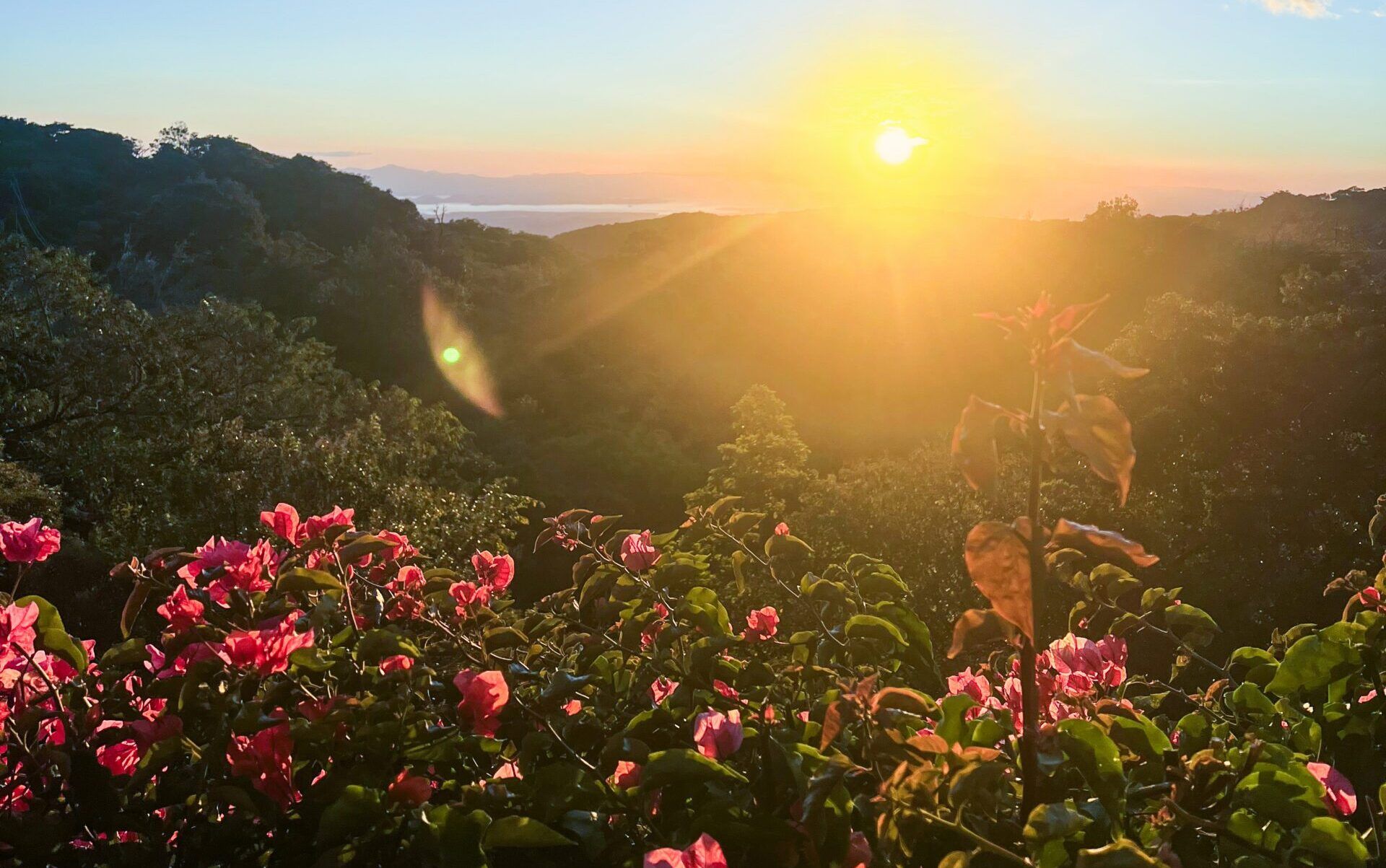
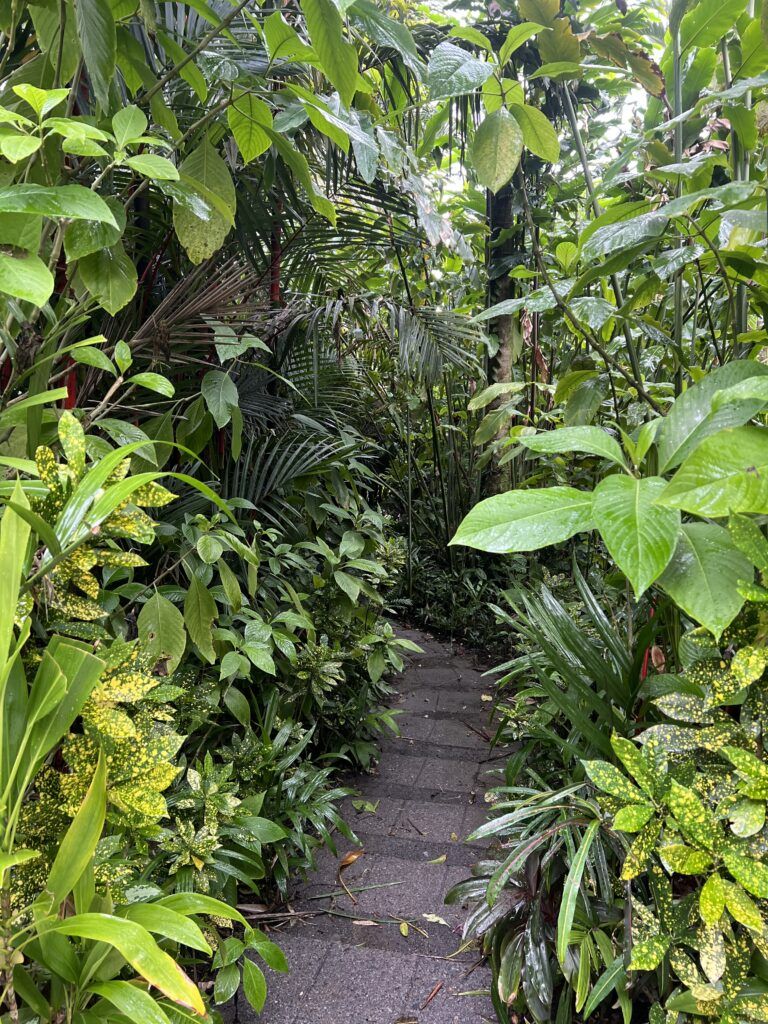
In January, my family and I took the trip of a lifetime: a journey to Costa Rica. Escaping the freezing cold in Baton Rouge, we explored the lush jungles of this tropical paradise. As someone who has always loved plants in a subtropical climate, I was fascinated by the tall palm trees covered in orchids and bromeliads, along with layers of moss, lichen and algae thriving on them. The biodiversity amazed me, from playful howler monkeys swinging overhead to flocks of scarlet macaws and toucans bringing bursts of color to the treetops.
The adventure didn’t end with the wildlife. The pristine beaches and beautifully designed hotel courtyards, which seamlessly included native plants and water features, left a lasting impression. By the end of our trip, I was excited to bring those ideas home and add them to my own yard. However, returning home reminded me of our own local realities. My gingers, elephant ears and other tropical plants had been damaged by the winter chill. This was a stark contrast to Costa Rica’s constant warmth, but it prompted me to rethink strong designs for Zone 9 gardens.
While my delicate tropical plants were lost to the winter freeze, hardier plants in my yard, like windmill palm, bamboo and loquats, remained healthy and green. This resilience showed me that Louisiana’s landscapes can draw from Costa Rican inspiration without falling apart. The jungle’s layered ecosystems and vibrant biodiversity offer valuable lessons in creating tough, beautiful designs that thrive in our humidity and occasional cold. As spring approaches with temperatures reaching the 60s to 70s, it’s a great time to try new things, treating less hardy tropical plants as affordable annuals for bold seasonal displays.
Start with layered plantings to imitate rainforest canopies and add vertical interest. Use cold-hardy palms like sabal or windmill as the top layer for height and shade. Add mid-level shrubs such as hardy gingers or viburnum for texture, and finish with groundcovers like Asiatic jasmine or ferns to suppress weeds and retain moisture.
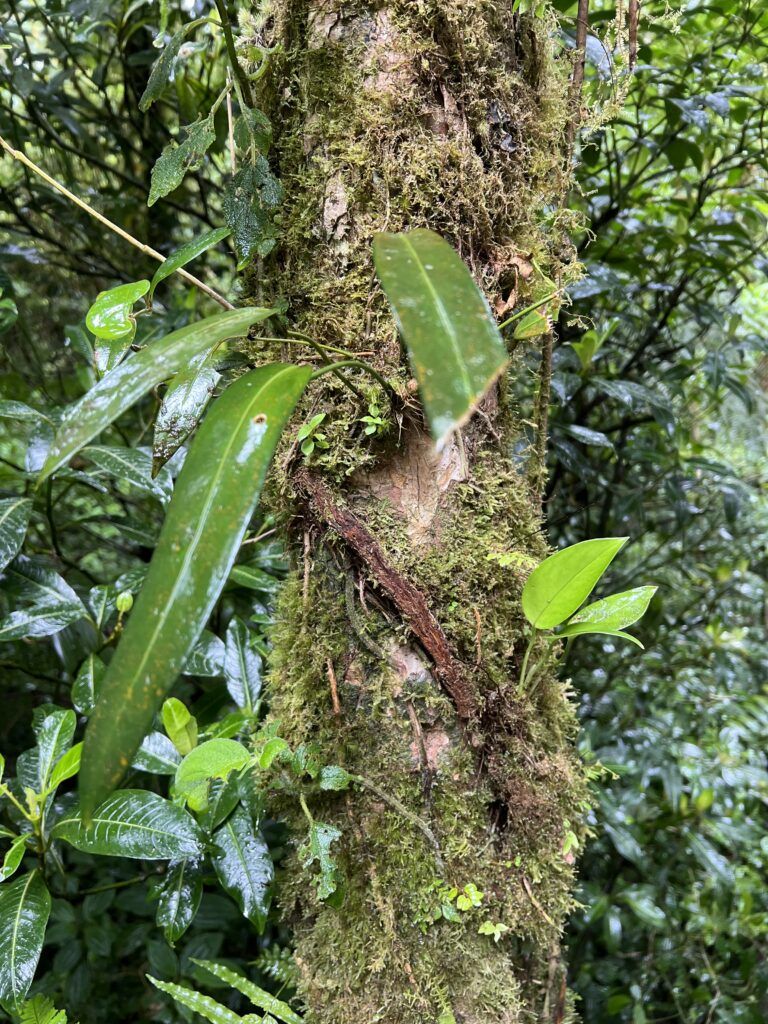
Next, try easy epiphytic accents with bromeliads or orchids on driftwood. Attach hardy types like tillandsia or neoregelia hybrids to branches or logs using wire or non-toxic glue. Mist them occasionally and keep them in partial shade. These air plants thrive in our steamy air without needing soil and can survive mild winters outdoors or serve as indoor plants during cold snaps. This method will resemble the orchids clinging to Costa Rican trees, adding vertical interest to patios or fences with minimal effort.
Finally, add simple water features for a serene tropical vibe. Inspired by Arenal’s waterfalls, install a small fountain, rain chain or birdbath surrounded by water-loving plants like cannas or Louisiana irises. These plants bounce back from cold snaps and handle our heavy spring rains, creating an oasis that fits well with the often-soggy Baton Rouge terrain.
Costa Rica’s wild beauty showed that even in a land of endless greenery, resilience is essential, and the same applies to our Louisiana gardens. As the days grow longer and the first buds appear, these tropical touches can turn the familiar into something special, blending global beauty with the rhythms of home. Spring invites us to experiment, change and watch our landscapes come to life in ways that reflect the vibrant spirit of the jungle.
Lee Rouse holds a master’s degree in horticulture, owns Rouse’s Horticulture, and serves as president of the Louisiana Horticulture Society. Find him online at rouseshorticulture.com.