

What to expect in this year’s dining scene: Local culinary experts weigh in on what’s hot
“Grandmacore,” chewy textures and the quest for value are among this year’s food trends, national industry watchers say, predicting diners are now less interested in fleeting flashiness and more eager for experiences they see as genuine. Restaurants will continue to face rising costs on everything from food to labor to insurance, and consumers will feel those price hikes acutely in steak and other beef dishes and in bar menus.
That doesn’t mean patrons will stop spending, experts say. They just want to feel it’s worth it.
As for hot ingredients, vinegar will have a moment, thanks to its varied uses in everything from salads to cocktails. And cinnamon rolls, already hot in Baton Rouge, are the 2026 Dessert of the Year, according to hospitality tracker AF & Co. Around here, we could see local concepts mimic larger-market bakeries now bedazzling cinnamon rolls with candies, cookies and cereal.
What other trends will we see across the regional dining scene this year? We asked Capital Region culinary professionals to weigh in.
Bang for your buck
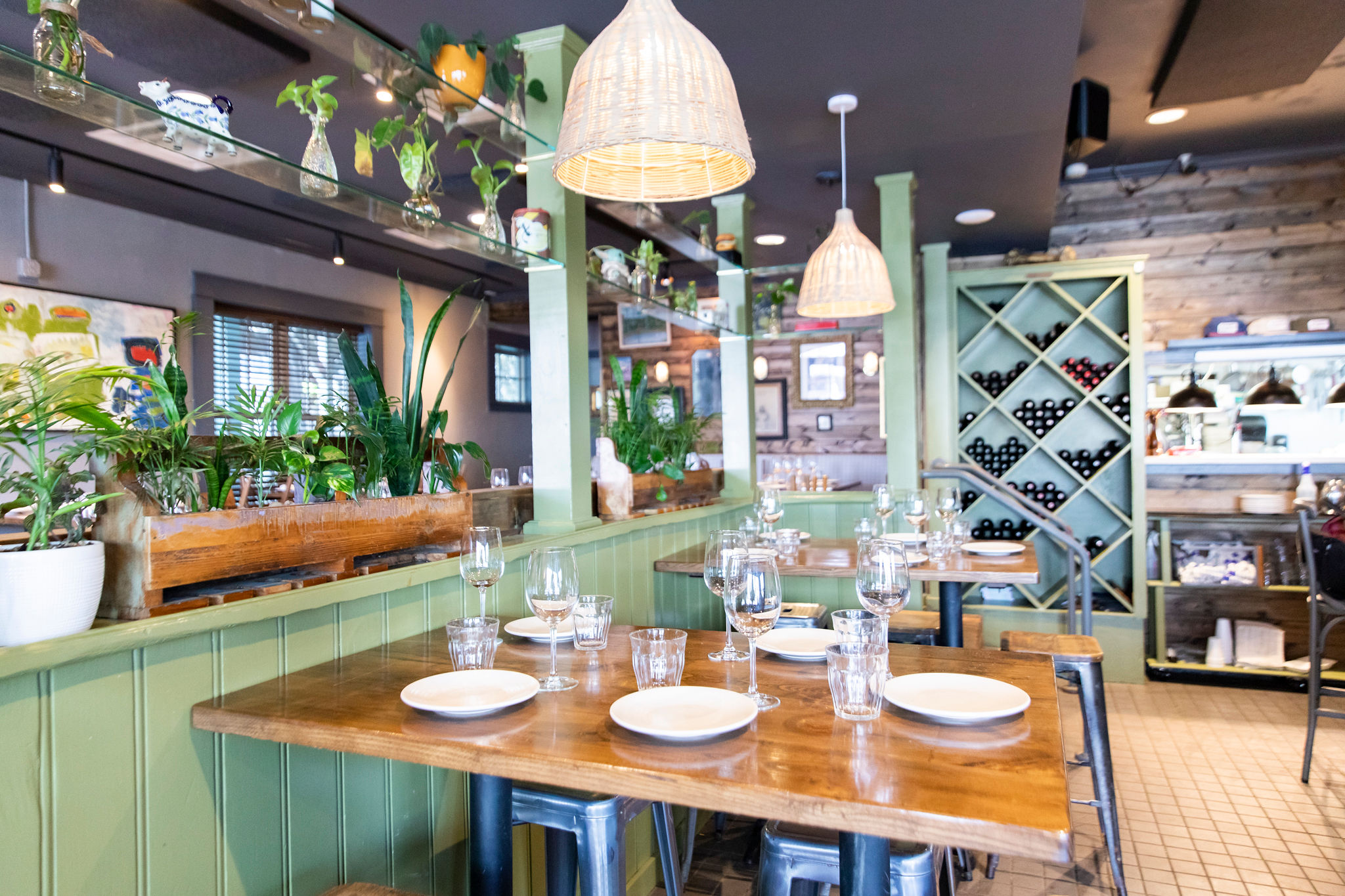
“Customers are watching their money, and they want to go to places where they can get a great meal at a great price and have a ton of perceived value and personal touch,” says Nick Hufft of Hufft Marchand Hospitality, which operates Curbside Burgers, The Overpass Merchant and Gail’s Fine Ice Cream in Baton Rouge, as well as Junior’s on Harrison, BARCAR and Il Supremo in New Orleans.
The company’s restaurants are doubling down on customer service to ensure diners leave happy, Hufft says. Elsewhere in the trendscape, Hufft is seeing continued interest in low ABV cocktails and healthier menu items, especially at lunch. Meanwhile, he’s had big success with the company’s Il Supremo concept, a Metairie commissary where diners place online orders for artisan pizza to go. The business recently brought in uber-popular New Orleans ice cream maker Super Witch to share space. Could Hufft Marchand bring the idea to Baton Rouge? No plans are in the works now, but it’s certainly possible, Hufft says.
Restaurants will see a Labor Day lift
For the first time since 2020, LSU’s season opener won’t be on the road. Playing at home under new head coach Lane Kiffin and his special brand of swagger is sure to translate into big Labor Day weekend hospitality sales.
“Instead of being the worst weekend of the year, you’re looking at what will likely be a banner weekend for all restaurants and caterers,” says Mestizo Louisiana Mexican Cuisine owner Jim Urdiales. “And on top of that, there are two more home games in the month of September (Louisiana Tech and Texas A&M), so that’s going to be a big [early fall].”
Urdiales adds that the continued expansion of Asian eateries across the Capital Region demonstrates a continued interest in global flavors. And while Mestizo’s liquor sales remain strong, Urdiales notes a drop in beer sales as young patrons drink less alcohol. The percentage of U.S. adults who say they consume alcohol has fallen to 54%, according to a July 2025 Gallup poll.
Heritage pork and fancy cabbage
Veteran fine dining establishment Mansurs on the Boulevard sees unflinching love for its top-selling cedar-planked redfish and premium steaks, says executive chef Barrett Meeks. But with beef prices higher than ever, he’s been running regular specials on dry-aged heritage pork chops.
“It’s the best cut of pork you’ll ever try,” he says.
Meeks has also been curing his own guanciale from Iberico pork jowls, an upscale extension of the charcuterie trend. Mirroring national preferences, the lowly cabbage continues to be buzzy as a Mansurs side. Its braised cabbage is dressed like pasta with Parmesan garlic cream sauce and drizzled with homemade pepper jelly. Look for fermented vegetables to play a role this year, too, Meeks says.
Raising the bar on bars
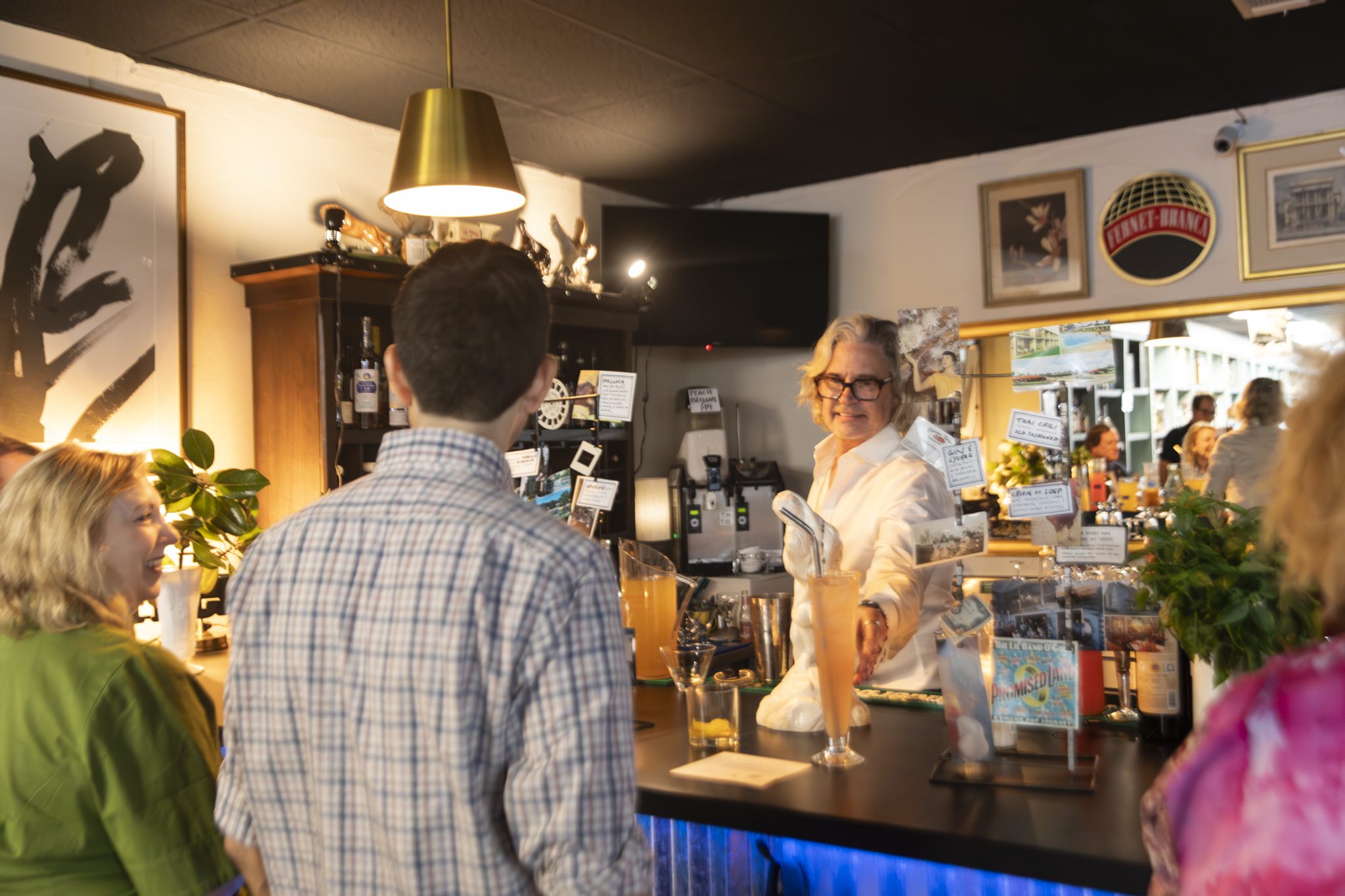
Cocktail enthusiasts don’t flinch anymore at the hefty prices of well-crafted restoratives—but they want receipts.
“I think people are drinking with an exceptional amount of intention, and also attention to technique,” says James Beard Award nominee and Baton Rouge mixologist Alan Walter. “There’s real interest in how a spirit is made, and how the whole creation comes together.”
More knowledge means drinkers aren’t buffaloed by shortcuts and cheap mixers, Walter adds. As for hot ingredients, there’s no one spirit he expects to stand out this year. But he’s encouraging a deeper dive into complex rums from the French Antilles, and the Rhum Agricole produced by local Oxbow Rum Distillery. “It’s grassy and weird and funky, and is just a field day for cocktails,” he says.
Asian cuisine is hot, pop-up dinners are back
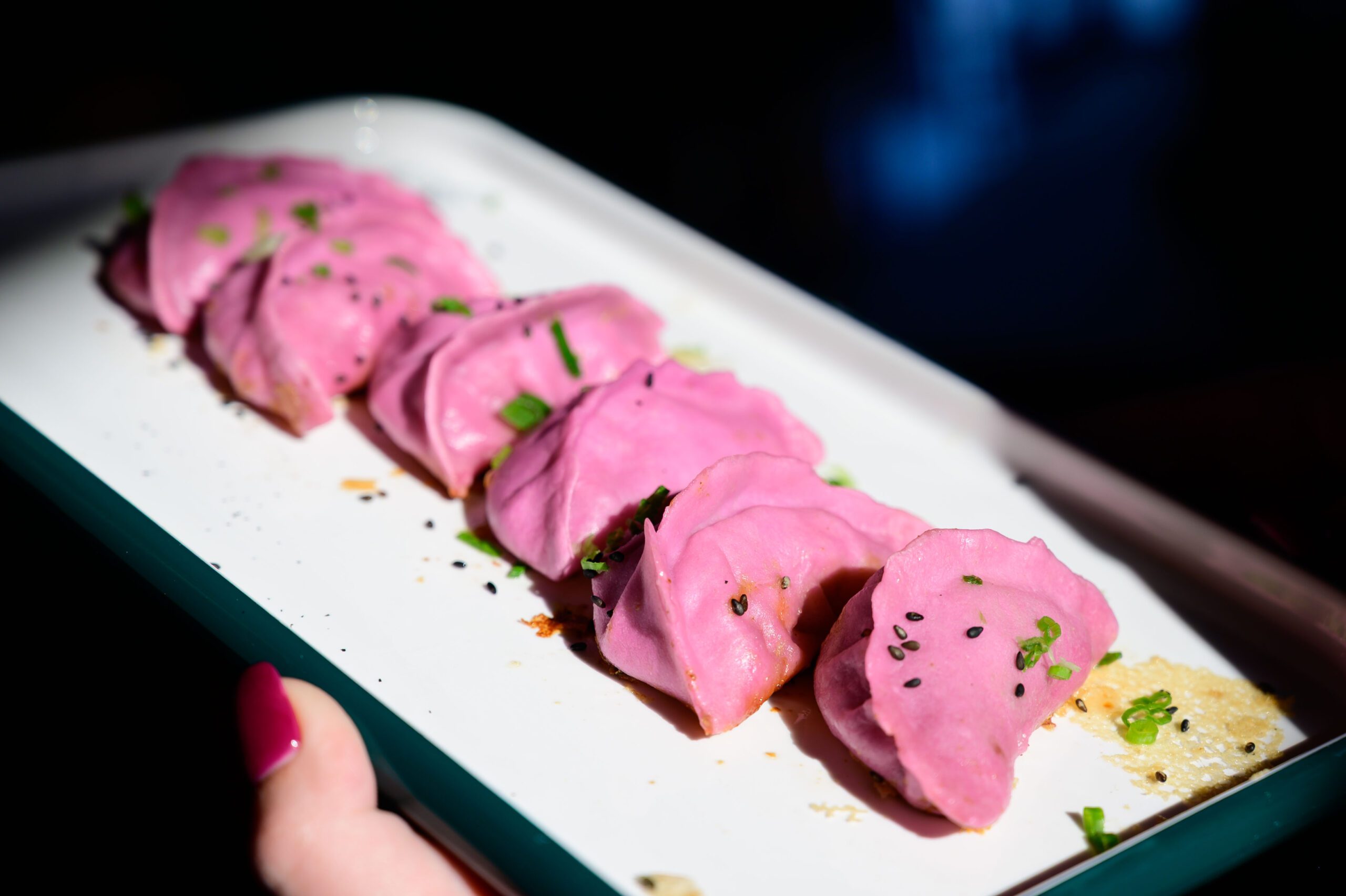
“There’s been an influx of Asian cuisine,” echoes Chow Yum owner Jordan Ramirez, noting the continued growth of niche eateries that serve ramen, dim sum, hot pot and dumplings. When it debuted in 2016, Chow Yum’s menu was ramen-centric, but local palates have inspired a menu expansion into bao and other global rice and noodle dishes. “It’s constantly changing, what our top sellers are,” he says. Ramirez adds he’s also noticed a renewed regional interest in pop-up events like the sell-out Indian and Albanian dinners hosted by Albina’s Kitchen at Jabby’s Pizza.
Well fed
Despite south Louisiana’s storied gastronomic indulgence, there’s sustained interest in healthier eating, says Cocha chef and owner Saskia Spanhoff.
“There’s very much a wellness trend in food and in drinks,” she says. “People are focusing more on sustainability and looking for better quality items like grass-fed beef and heritage pork.”
And it’s not just proteins, she adds.
“I think you’re starting to see an interest in interesting grains, beans, nuts and seeds, and things that come from other places. Interest in global food is very strong right now.” she says. Spanhoff also observes that diners no longer grouse about properly sized portions, something that gave them pause when she opened in 2016. And zero-proof cocktails continue to be hot among both teetotalers and those who want to drink less.
Plants, plants and more plants
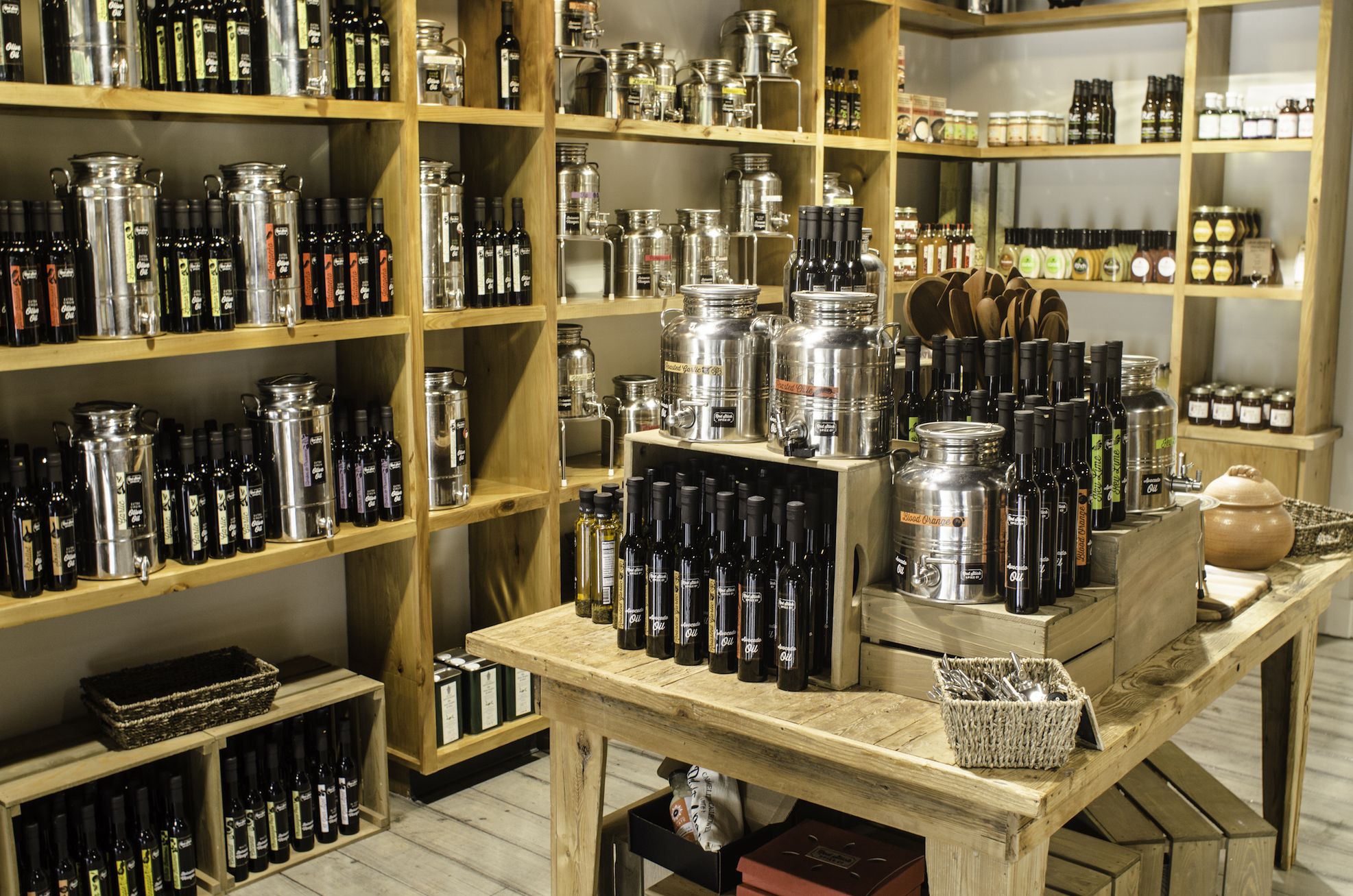
Red Stick Spice Co. founder Anne Milneck says one word sums up her take on 2026 trends: “Plants,” she says. “Our customers want more plant-based cooking classes, vegan cooking classes and more requests for plant-based products.”
Red Stick Spice now carries items like reishi mushroom powder, along with boutique tinctures made by local company Mycocentrics. “We sell the heck out of those,” Milneck says. The Mid City store, which stocks spices, olive oils, vinegars, teas and other culinary products, is also well positioned to respond to the national vinegar trend. “When we show people how it can change the acidity of a dish,” she says, “the lightbulb goes on.”
Foods that don’t make you feel “gross”
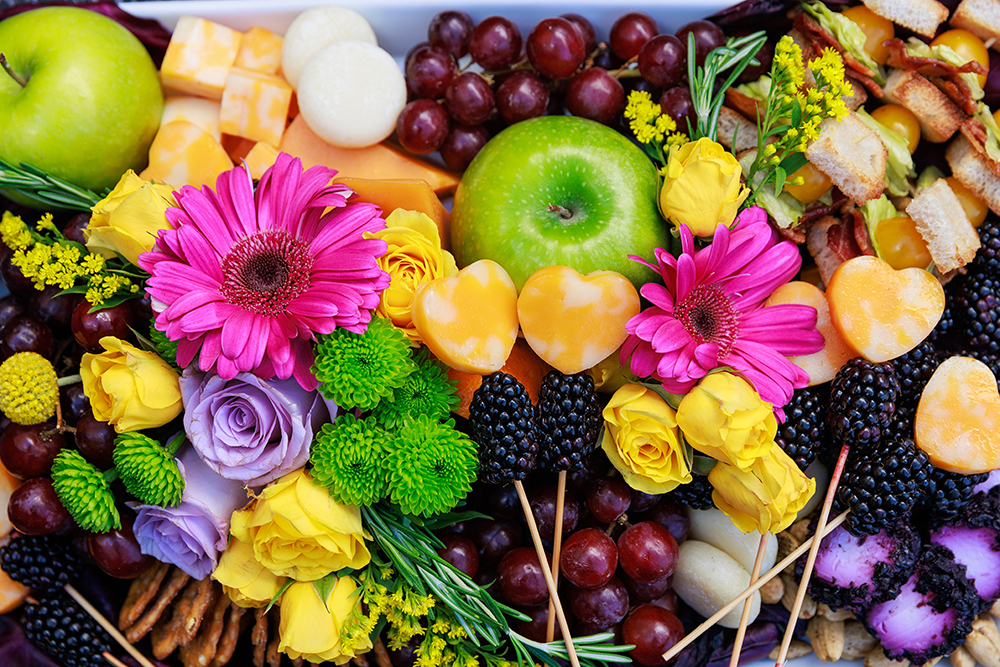
Caterer Lisa Boudreaux-LeCoq of Gilded Artichoke says buffets defined by belt-loosening classics are out, and grazing spreads dominated by small plates and non-processed foods are in. “People tell us they don’t want to feel gross after they eat,” she says. Around town, the cottage bakery surge will continue, she predicts. “Small-batch bread, like the whole sourdough revolution, is still going strong,” she says. “People want to know their food is not full of chemicals.”
Quality over quantity
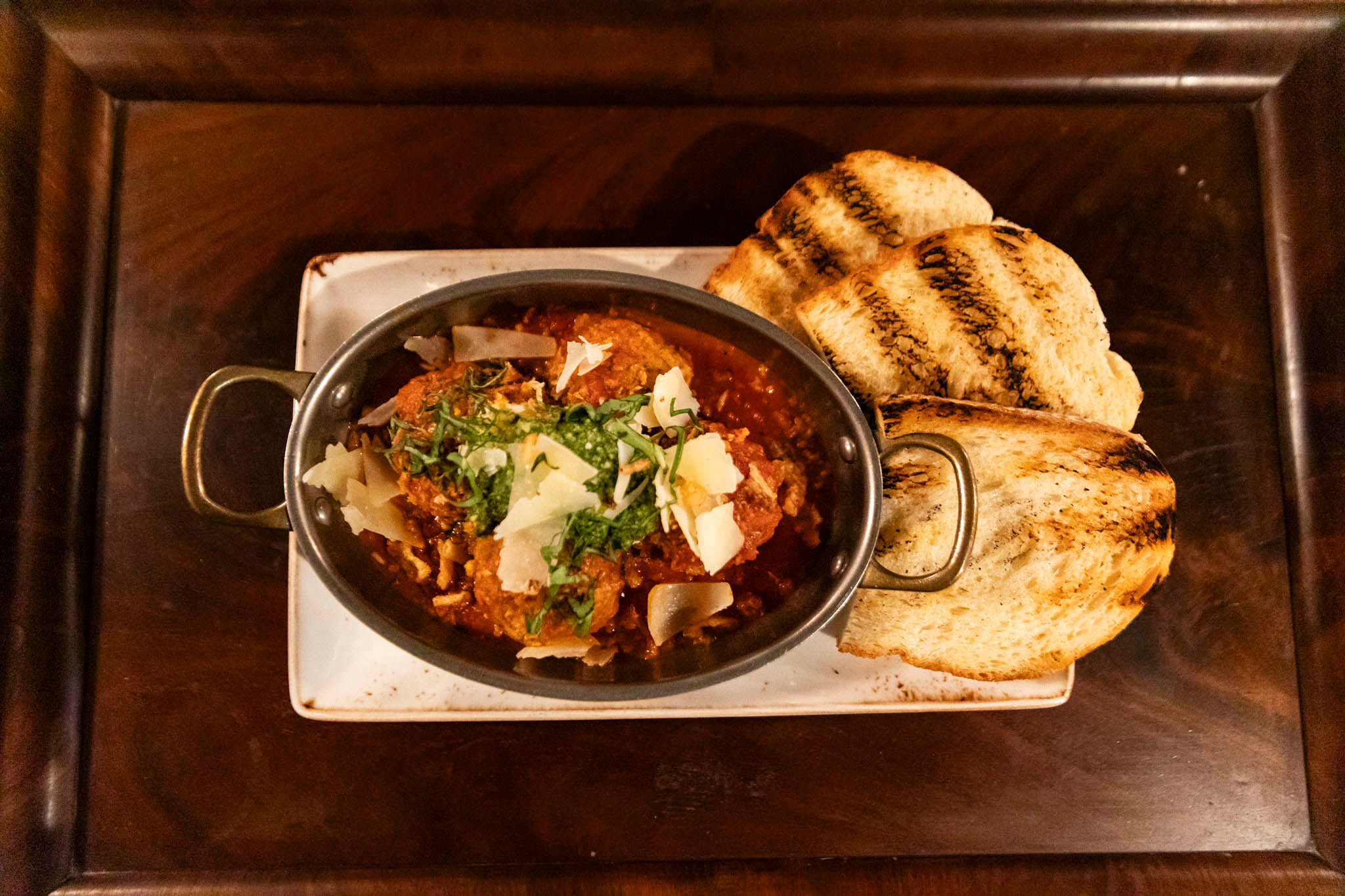
“Guests are looking for value,” The Colonel’s Club executive chef Chris Motto reiterates. “I don’t think that translates the same as it used to with giant portions, but more so with the quality of ingredients.” Motto says he expects to see his diners continue to enjoy small plates and shareables, focusing on tasting rather than gorging, while also creating a social experience. And while drinking may have receded in the U.S., cocktail sales haven’t slowed down at The Colonel’s Club. “Beer’s been down,” he says. “But our cocktails are huge.”
This article originally appeared in 225 Magazine’s 225 Daily newsletter.