



Ask the Expert: Fertility, sponsored by Fertility Answers
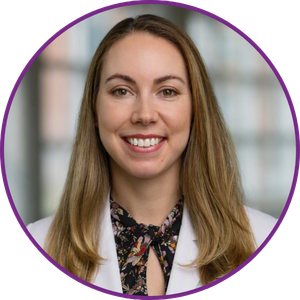
Dr. Carrie Malcom
Reproductive Endocrinologist
Fertility Answers
Dr. Carrie Malcom, MD, PhD, is a board-eligible fertility specialist at Fertility Answers Baton Rouge. Dr. Malcom’s deep interest in developmental biology and the origins of life led her into women’s health and eventually into a reproductive endocrinology and infertility fellowship. As a Tulane graduate, Dr. Malcom is excited to return to Louisiana, intent on never missing another crawfish season or Jazz Fest.
What exactly is PMOS?
PMOS, polyendocrine metabolic ovarian syndrome (formerly called PCOS, or polycystic ovarian syndrome) is a complex, lifelong hormonal and metabolic condition affecting women. Rooted in insulin resistance, the syndrome disrupts the body’s hormonal balance leading to fertility challenges and, over time, can cause cardiovascular issues and type 2 diabetes.
What are the most common symptoms of PMOS?
Some people notice cycle changes first, such as irregular periods, skipped periods, or no periods at all. Others may notice acne, unwanted hair growth, scalp hair thinning, weight changes, type 2 diabetes, or difficulty getting pregnant. You do not need to have every symptom to deserve evaluation and support.
How is PMOS diagnosed, and what should I expect during an evaluation?
Clinicians traditionally focused on obvious symptoms, such as hyperandrogenism (unwanted acne, facial hair, thinning hair) and multiple cysts on the ovaries seen on ultrasound to diagnose. Today, however, clinicians are asking more in-depth questions about symptoms (cycle history, hair/ skin changes, weight shifts, sleep, mood and family history) coupled with lab testing and imaging to make a diagnosis to help develop a better treatment protocol.
Can I still get pregnant if I have PMOS, or does it always cause infertility?
Because PMOS interrupts ovulation, getting pregnant can be difficult. However, lifestyle changes to manage insulin resistance and fertility treatment options, such as medications to induce ovulation, can help women get pregnant. If you are trying to conceive and suspect you have PMOS or any of the symptoms discussed, it is a good time to see a fertility specialist. Our expertise in treating patients with PMOS can help you quickly overcome ovulation issues and lead to a baby in your arms.
If I’m not trying to get pregnant yet, is it still important to treat PMOS?
Very much so. PMOS is a life-long condition and if left untreated can lead to type 2 diabetes, high blood pressure, and cardiovascular disease. The syndrome can also cause depression and mood swings due to its many physical symptoms.
What’s one misconception about PMOS that you wish more women understood?
A huge misconception is that PMOS is all a weight problem — that losing weight cures it, or that if you’re normal weight, you can’t have it. In reality, PMOS is due to endocrine and metabolic dysfunction and you can be normal weight or overweight. Framing it as just a weight issue often delays diagnosis and unfairly makes women feel it’s something they should just be able to fix through willpower.

500 Rue De La Vie St., Suite 501
(225) 926-6886 | fertilityanswers.com