


Louisiana’s native plants can—and should—be the stars of home landscapes
Living in Louisiana, pride comes in many forms, such as cheering the Tigers to victory, enjoying a homemade cup of gumbo and partaking in one of our many festivals or Mardi Gras celebrations. These cultural cornerstones are specific to our region and ground us in a profound sense of place. We can extend this connection by incorporating native plants into our landscapes, weaving the beauty of Louisiana’s natural heritage into our homes and gardens while fostering flourishing ecosystems.
Louisiana boasts over 2,200 native plant species, a treasure trove of biodiversity. While many of these species might be considered weedy and unsightly by some, there are plenty of species that will make stunning additions in a landscape to enhance both the aesthetic and ecological value of a property.
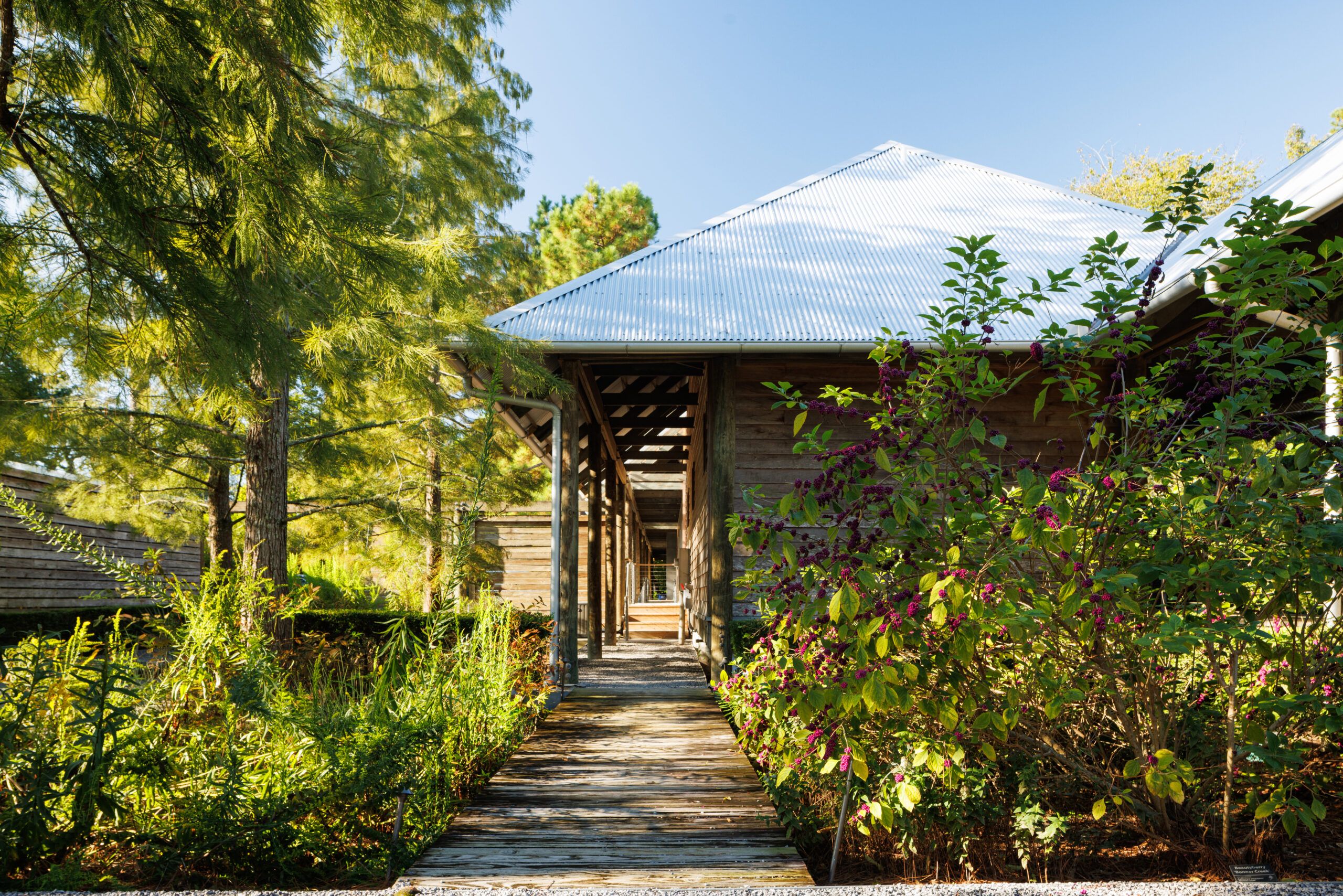
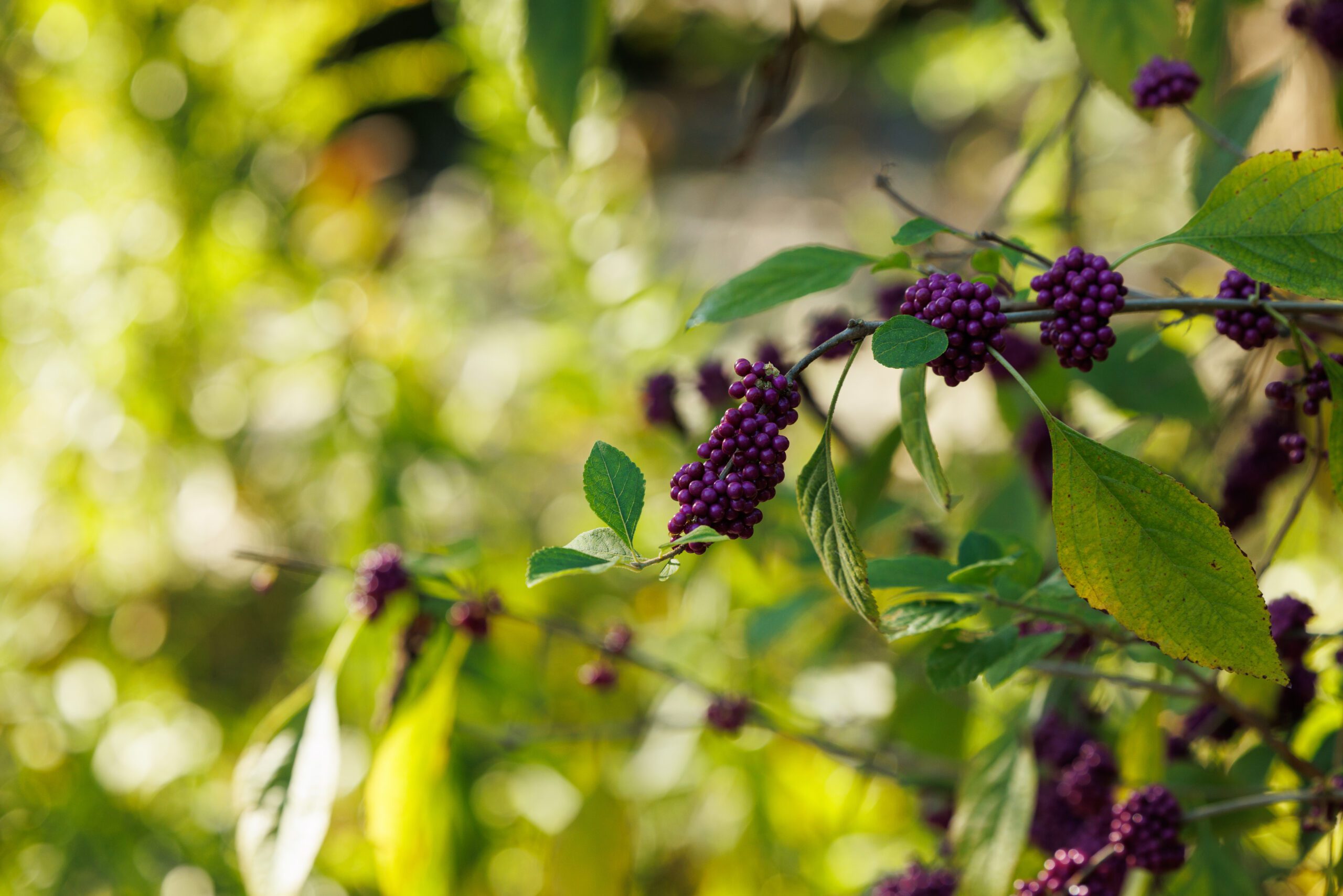
Consider the American beautyberry (Callicarpa americana), a crowd-pleaser that blends charm with local wildlife benefits. Beautyberry is a wonderful pollinator attractor. In summer, its delicate pink flowers draw bees and butterflies, creating a lively display of desirable garden visitors. But the showstopper appears in fall when beautyberry displays vibrant clusters of purple berries. These berries also help to feed many bird species such as robins, cardinals and mockingbirds.
Another superstar in the native realm is the wax myrtle (Myrica cerifera). This evergreen shrub can be planted as a specimen in the landscape, but personally, I like to use it as a dense privacy hedge. Again, the flowers in spring attract many bees and butterflies. Its seed pods serve as a vital source of nutrition in late winter for many bird species like the yellow-rumped warbler. Its dense foliage also creates a great nesting site for birds such as cardinals, gray catbirds and brown thrashers.
On the topic of bird-friendly natives, my personal favorite native is the button bush (Cephalanthus occidentalis), whose late fall and early winter seeds provide a food source for waterfowl and songbirds alike. In addition to attracting birds, this deciduous shrub displays spherical white flowers similar in shape to a sputnik design in spring, attracting everything from hummingbirds to butterflies and native bees.
Incorporating native plants doesn’t mean sacrificing luxury for rugged naturalism. Instead, it’s about curating a landscape that reflects Louisiana’s soul while enhancing its ecosystems. By adding just a few natives to your landscape, you can create a garden that is both breathtaking and purposeful, attracting pollinators and songbirds while deepening your connection to our state’s rich heritage.