

10 subtle design details that shape a beautiful home
Sponsored by Laura Cedor Interiors
When walking into a home, interior designers instinctively notice certain details almost immediately. These aren’t always the most obvious elements, like furniture or décor, but rather the subtle choices that shape how a space feels, functions and lives over time.
In luxury residential design, it’s these quiet details that make the biggest impact. Here are 10 things interior designer Laura Cedor notices when she walks into a space.
-
Proportion and scale
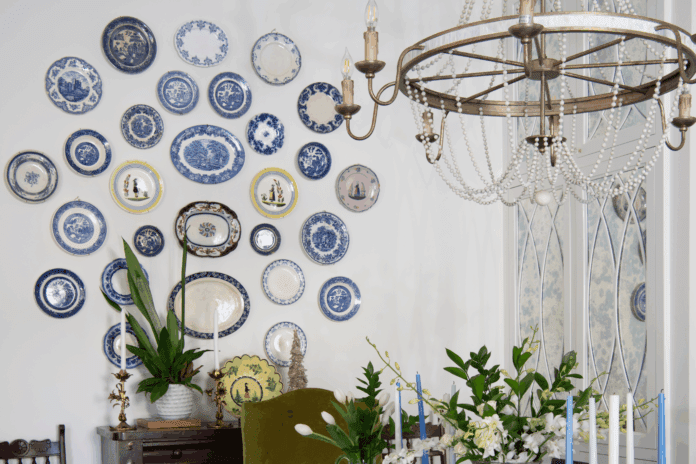
Before color or style, designers notice whether everything feels appropriately sized. Furniture that’s too small for a room, or lighting that feels undersized, can make even the most beautiful space feel off. Well-proportioned rooms feel comfortable and effortless – never crowded or sparse.
-
The quality of light
Light has the power to completely transform a space. Designers look at how natural light enters the room, how it changes throughout the day and how artificial lighting supports it.
-
Ceiling height and detail
Ceilings are often overlooked, but designers always notice them. Whether it’s subtle millwork, beams, plaster detailing or simply generous height, the ceiling plays a major role in how expansive and finished a space feels.
-
Material authenticity
Luxury design values honesty in materials. Designers can immediately tell the difference between real stone and imitation, solid wood and composite. Authentic materials not only look better, they age better and bring a sense of permanence to a home.
-
How finishes transition
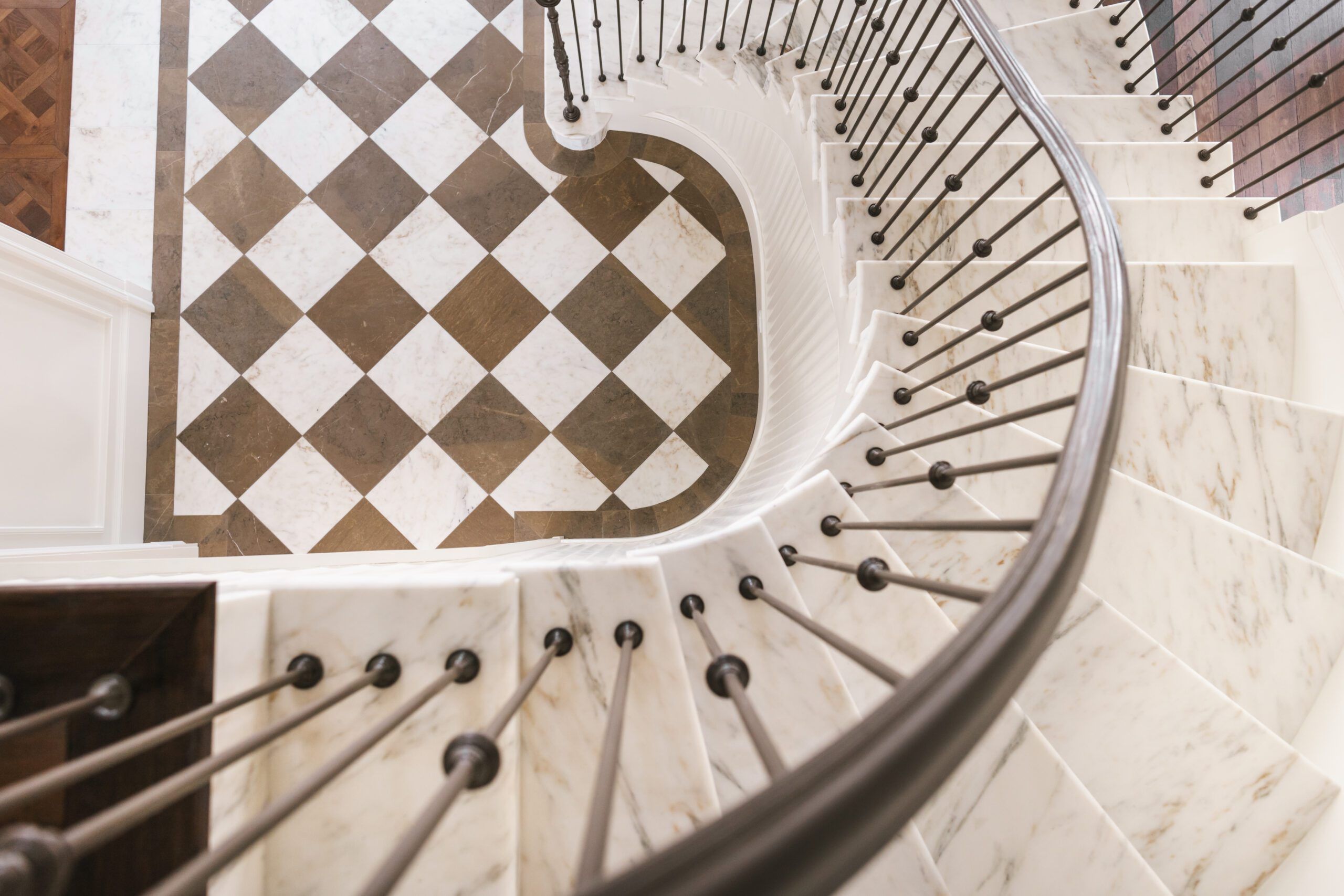
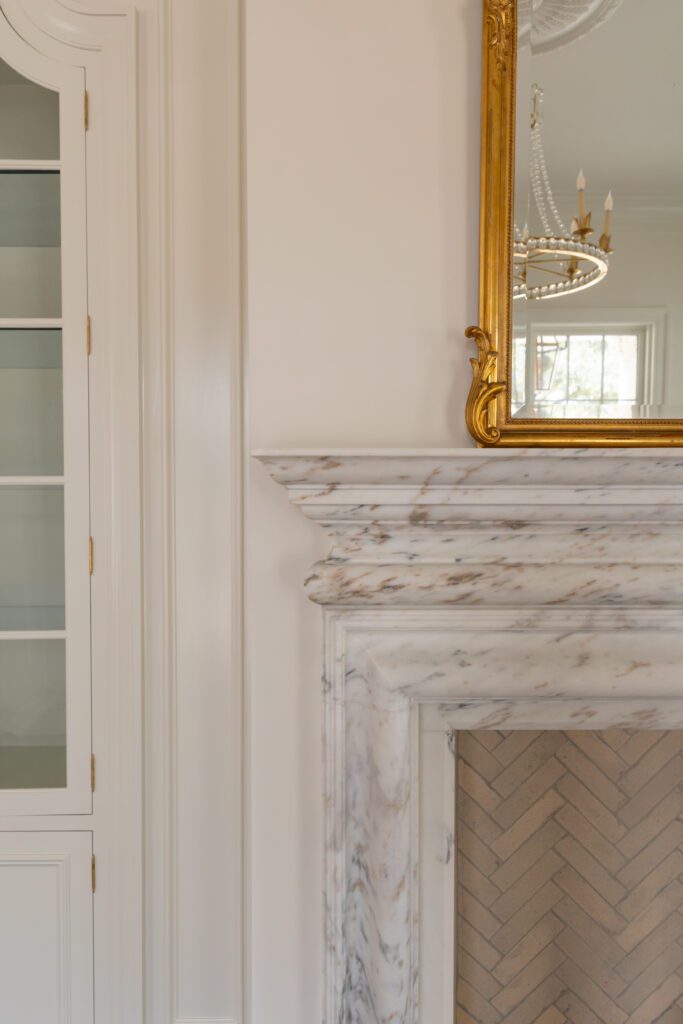
Designers pay close attention to how materials meet one another. Clean transitions between floors and walls, stone and wood or tile and plaster show intentional planning. When these moments are handled thoughtfully, the entire space feels more refined.
-
Hardware and metal consistency
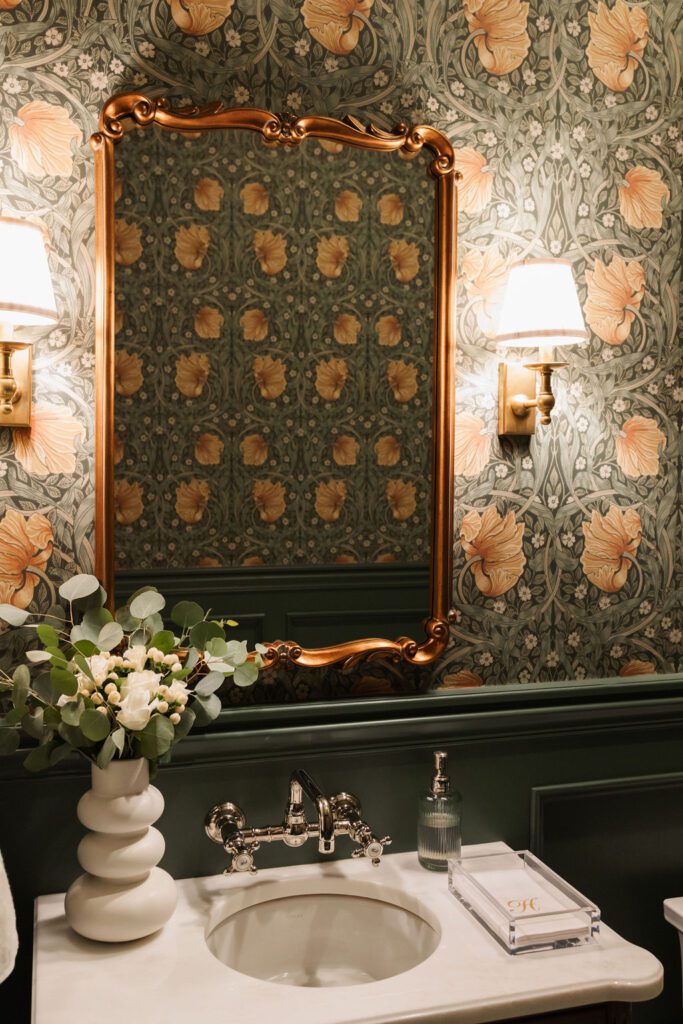
Small details like door hardware, plumbing fixtures and lighting finishes speak volumes. Designers notice when metals work cohesively throughout the home and when they don’t. Consistency doesn’t mean everything matches perfectly, but it should feel curated and deliberate.
-
Custom versus standard details
Custom millwork, built-ins and tailored details quietly elevate a home. Designers immediately recognize when cabinetry proportions, window casings or shelving have been thoughtfully designed rather than selected off the shelf.
-
Furniture placement
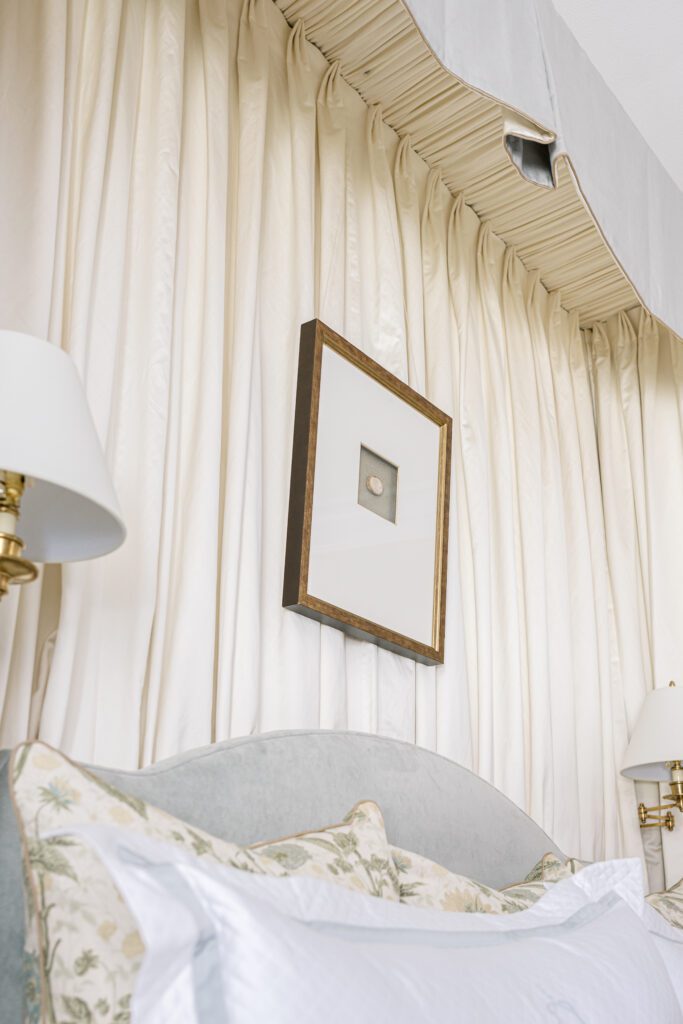
It’s not just about what furniture you choose, it’s about where it lives! Designers notice how furniture relates to the architecture, how circulation flows and whether a room feels open and inviting. Well-placed furniture allows a space to breathe.
-
Color undertones
Neutrals aren’t as simple as they seem. Designers instinctively pick up on undertones especially in whites, creams and natural materials. When undertones clash, a space can feel uneasy without anyone knowing why.
-
A sense of restraint
Perhaps the most important detail of all: knowing when to stop! Designers notice whether a space feels intentional or overdone. True luxury feels calm, edited and confident – never forced.