



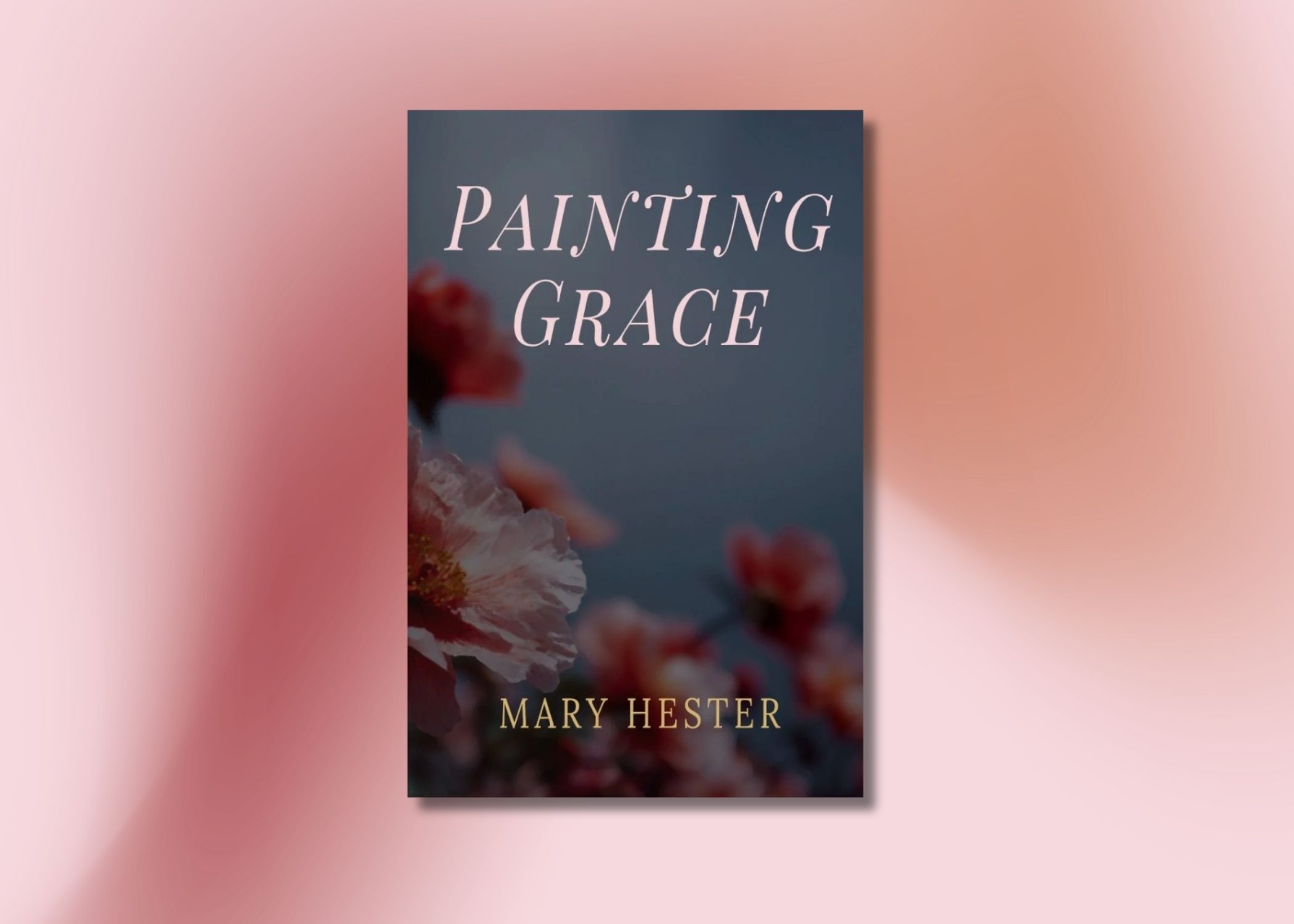
Mary Hester’s debut novel features Baton Rouge as a character in a moving exploration of grace
The writing process for Mary Hester’s debut novel, Painting Grace, began with a morning stroll down the wide boulevards of Steele Place about 15 years ago. A seemingly neglected two-story house frequently caught her eye, and one morning, when she noticed piles of papers and clothes strewn in the front yard, it captured her imagination.
A closer look at the tossed-out personal effects—graded student essays and a pencil portrait of a beloved professor—revealed echoes of a life. “That just made me wonder about the person who had lived in that house and had died, maybe alone and with no one seeming to mourn her,” Hester recalls. “And from that, the story grew.”
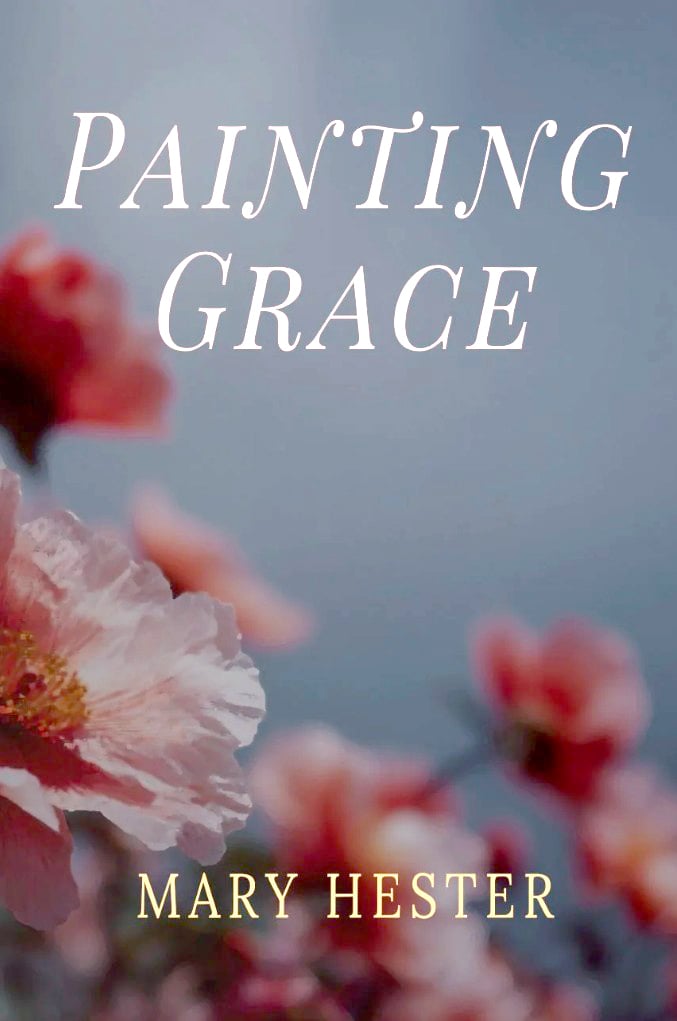 Painting Grace centers on Dr. Miriam Landry, an art history professor diagnosed with a terminal illness, after she hires a young nursing student, Camille, as her caregiver. The two develop an unlikely friendship through which Hester explores regret, second chances and self-forgiveness. Camille embodies the culture of care and mutual support that is the ethos of Baton Rouge, Hester notes.
Careers in writing, editing and legal work paved the way to fiction for Hester. The Florida native arrived at LSU for graduate school, where she met her husband, Mark, and the two called the Capital City home for several decades. After a stint teaching in the English department at LSU, she began editing for LSU Press and became the go-to editor for technical manuscripts as well as state government and research institutions. Later, she attended LSU Law School and found her professional home as an attorney at Taylor Porter. Hester and her husband’s immersion in Louisiana life, including a period in New Orleans during Hurricane Katrina, provided the emotional landscape for her novel. Though the couple recently moved to North Carolina to be near family, the spirit of Baton Rouge and Louisiana’s unique culture of caring and Southern hospitality remains Hester’s primary muse.
“One of the bad hurricanes we went through in Baton Rouge, where a lot of trees were knocked over, people in our neighborhood were out with chainsaws clearing the streets almost right after,” she recalls. “It’s a wonderful thing about the city, and that’s reflected in the characters in my novel.”
Mary says a key takeaway is that people should not judge themselves so harshly or refuse to forgive themselves. The novel explores accepting grace, believing that even serious mistakes can be forgiven, and learning to receive that grace rather than holding on to guilt.
“Guilt is inescapable when a spouse dies by suicide or when a baby dies,” Hester says. “No one can change that alone or even with the consolation of friends, parents or therapists.”
Through interwoven timelines spanning Landry’s marriage in the 1970s and her final months in 2015, Painting Grace explores the ache of regret, the unexpected beauty of second chances and the fierce hope that grace can transform even the deepest wounds. Through her relationship with Camille, Landry reckons with the losses that have shaped her solitary life. “She gradually comes to understand that refusing to accept forgiveness is a kind of arrogance, putting her judgment of herself above the power of grace and the love behind it,” Hester says.
Painting Grace is available at Barnes & Noble and on Amazon. To learn more, visit silentclamor.com/painting-grace.