



Feeling like yourself again: A closer look at hormone health
Sponsored by Untamed Health
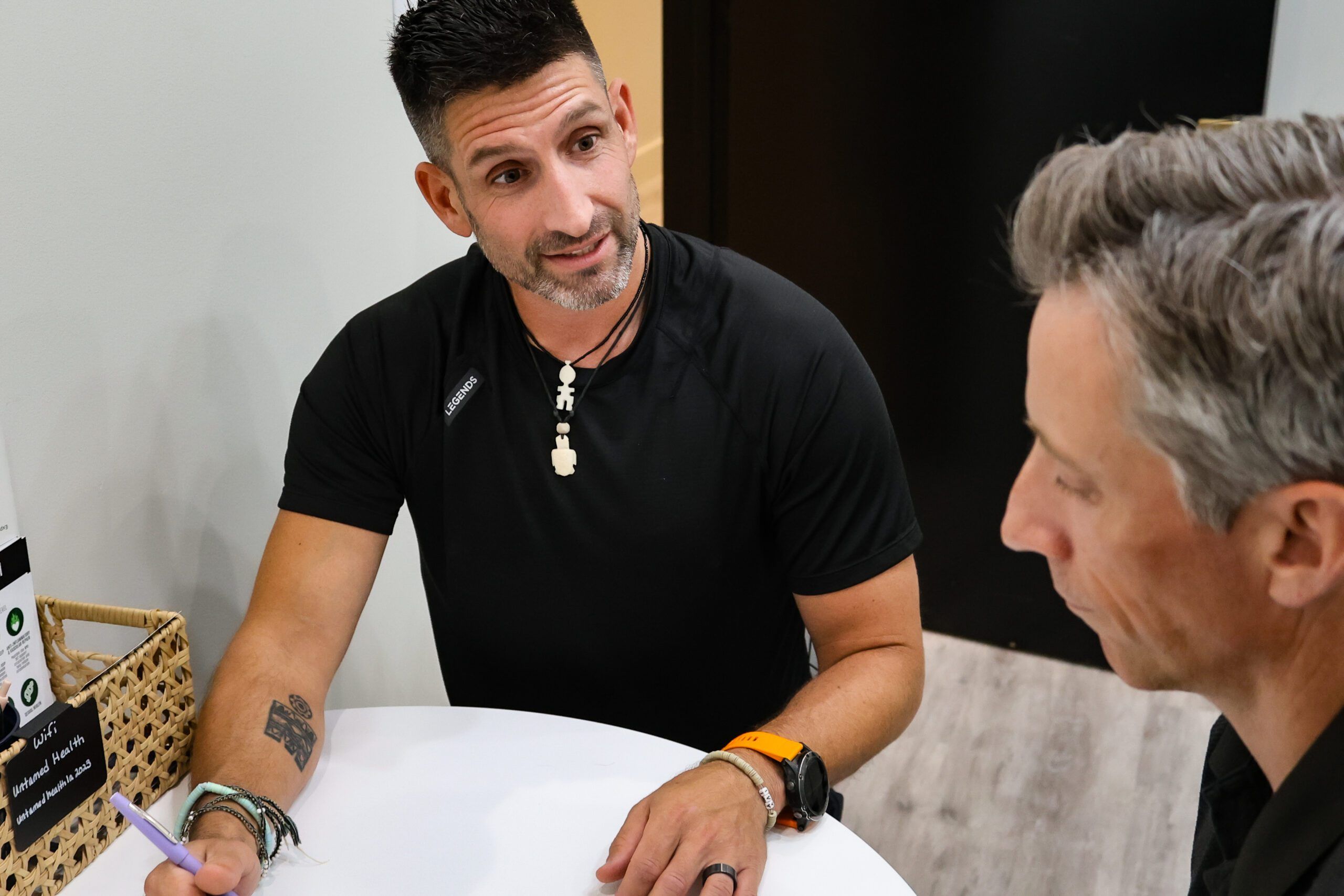
Feeling tired, noticing changes in body composition or experiencing a lower libido can be frustrating, especially when you’ve raised your concerns and been told that everything is “normal.” For Matthew Naquin, family nurse practitioner and owner of Untamed Health, those symptoms deserve thoughtful attention, not dismissal.
“Getting older can change how the body produces hormones,” Naquin says. “But that doesn’t mean you have to ignore how you feel.” He emphasizes that hormone therapy is not right for everyone, and that understanding a person’s symptoms, health history and test results is an important first step.
Fatigue is one of the most common concerns Naquin hears, but it can have many causes. Hormones are part of a larger system: thyroid function, metabolism, insulin, cortisol and nutritional factors may also be relevant. That’s why an evaluation should look beyond a single number or one hormone in isolation.
At Untamed Health, the process begins with a conversation about what a patient is experiencing and what they hope to address. Depending on the person’s history and any recent testing, Naquin may recommend blood work. The results can help inform a discussion about possible next steps, which may include further evaluation, lifestyle considerations or treatment options. The approach is individualized, and patients should be able to ask questions and weigh potential benefits and risks before making decisions.
Naquin also hopes to make conversations about hormone health more approachable. Testosterone and other hormone therapies can carry misconceptions, and online searches can turn up conflicting information. Rather than relying on alarming headlines or assuming a treatment is appropriate, he encourages people to speak with a knowledgeable healthcare professional who can explain the evidence and consider their individual circumstances.
Access and affordability are part of the conversation, too. Naquin says wellness care should not feel reserved for people with significant disposable income. He and his wife, Jesse Naquin, RN, MSN, CRNA, share a commitment to helping people understand their health and explore realistic options. For Naquin, the goal is to support quality of life and help patients stay engaged in the activities that matter to them.
Anyone curious about hormone therapy can start by asking questions. What might be contributing to these symptoms? Which tests, if any, make sense? What are the potential benefits, risks, costs and alternatives? A careful evaluation can help people understand where they stand and decide together with a qualified healthcare professional what approach is appropriate for them.
Hormone therapy is not a one-size-fits-all solution, and feeling unwell should not automatically be attributed to hormones. But persistent symptoms are worth discussing. An informed conversation can be a meaningful first step toward a clearer picture of health and the choices available. Visit Untamed Health online to learn more.