


Oh My Gourd: How the jack-o’-lantern got its name
The pumpkin and jack-o’-lantern have a very unique and interesting history here in the United States. The pumpkin can be considered a native crop of the Americas, although botanically it is a fruit rather than a vegetable. Pumpkins are members of the cucurbit family, along with watermelons, zucchini and cucumbers. Squash and pumpkin species were among the earliest plants domesticated in the Americas, with evidence of Cucurbita pepo, the species that includes many pumpkins, dating back about 10,000 years in Oaxaca, Mexico. Over time, through cultivation and selective breeding, pumpkins developed into the many forms we know today.

owns Rouse’s Horticulture, and serves as president of the Louisiana Horticulture
Society. Find him online at rouseshorticulture.com.
Pumpkins and other squashes were already widespread among Indigenous peoples when Europeans arrived. Christopher Columbus described seeing cultivated squashes in the Caribbean, and Hernando de Soto’s expedition encountered pumpkins and other squashes in abundance throughout the southeast. They were an important food crop for Indigenous peoples. Pumpkins and squashes could be roasted or baked whole over a fire, boiled or incorporated into other foods. Some were also dried for storage, while the seeds, flesh, flowers and leaves could all be used.
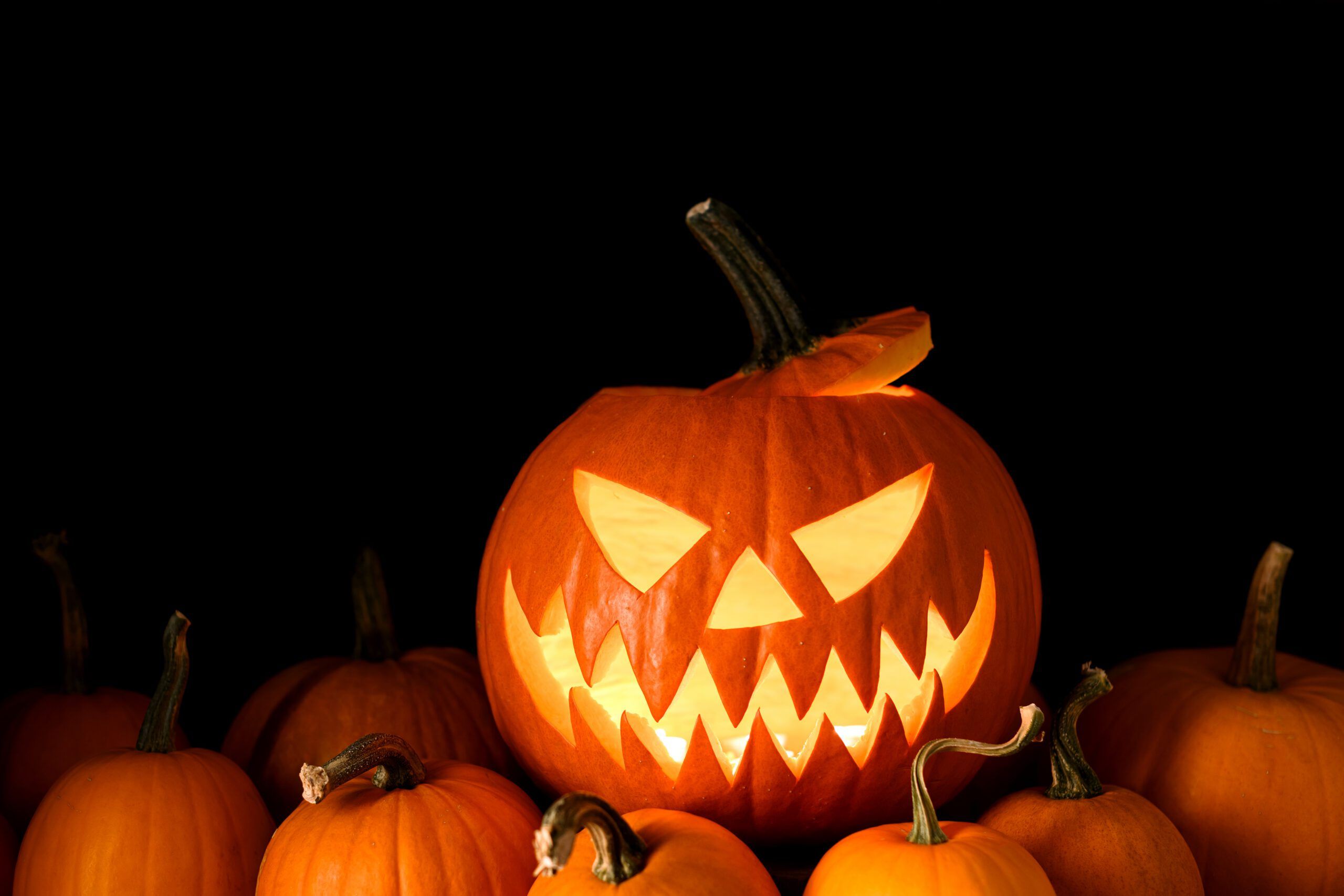
But how did this staple food crop become the symbol of Halloween today? Its history is tied to Irish and Scottish folklore and the Celtic festival of Samhain, which influenced later Halloween traditions. Legend says there was a man named “Stingy Jack” who repeatedly outwitted the Devil. When Jack died, according to the legend, he was allowed into neither heaven nor hell. The Devil gave him a single burning ember from hell to light his way as he wandered the earth. Jack placed the ember inside a hollowed-out turnip to keep it from extinguishing and used it as a lantern. He became known as “Jack of the Lantern,” which eventually became “jack-o’-lantern.”
The Irish and Scots began carving scary faces into turnips, beets, potatoes and other root vegetables and placing candles or embers inside them. These lanterns were associated with the folklore surrounding Stingy Jack and wandering spirits. When Irish immigrants arrived in the United States in large numbers during and after the Irish Potato Famine of the 1840s and 1850s, they brought these traditions with them. Here, they found pumpkins, a crop native to the Americas, which were larger and easier to carve than the turnips traditionally used in Ireland. Over time, pumpkins became the preferred material for jack-o’-lanterns in the United States.
It’s far too late in the season to grow your own jack-o’-lanterns for Halloween. In South Louisiana, pumpkins intended for Halloween are typically planted from late June through mid-July, depending on the variety, giving them enough time to mature for the fall season. But when carving a store-bought pumpkin or admiring one adorning a neighbor’s porch, you will now know that the pumpkin is a native crop of the Americas.